After the Iranian Revolution the foreign policy of Iran changed dramatically. In many cases diplomatically inimical Arab nations became more cooperative with Iran, while some formerly supportive nations decreased their support.
Ruhollah Khomeini, leader of the revolution and founder of the Islamic Republic of Iran and its first Supreme Leader declared that, "The concept of monarchy totally contradicts Islam." Therefore, Arab leaders developed a hostile attitude towards the Islamic Republic of Iran. Khomeini's idea of supporting the mustazafeen (those who are wronged or oppressed) as opposed to the mustakbareen (those who are arrogant) led to many problems with neighboring countries due to some Arab regimes being judged by Iranian jurists to be among the mustakbareen. Ayatollah Khomeini was open about his intention to export the revolution to other parts of the Muslim world. Thus, during the early 1980s, Iran was isolated regionally and internationally. This diplomatic and economic isolation intensified during the Iran–Iraq War in which almost all neighboring Arab states, except Syria, supported Iraq logistically and economically. According to some observers,Saddam Hussein fought on behalf of other Arab states that viewed Iran as a potential threat to their stability.

In the late 1980s and early 1990s, the revolutionary zeal cooled and a degree of pragmatism was adopted by Iranian policy makers. During the presidency of Akbar Hashemi and Mohammad Khatami, Iranian foreign policy switched to reducing international tensions and Iran tried to normalize its relations with its Arab neighbors. When the United States attacked Iraq in the early 1990s, it promoted Iran's political influence in the Middle East.
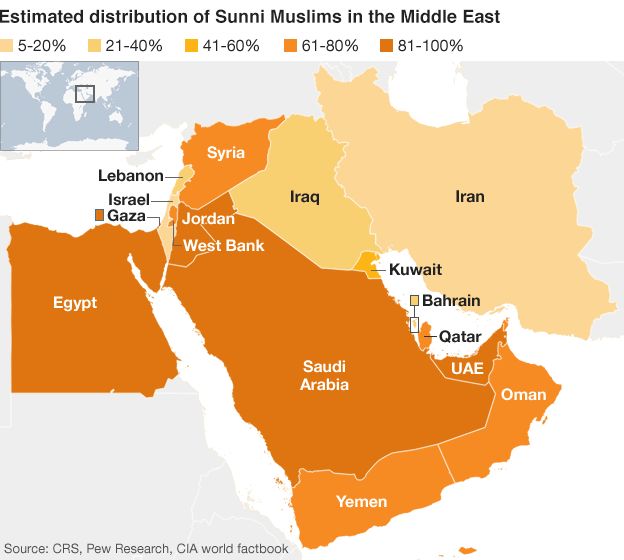
Since 2000 the situation changed completely. The most significant factor was Bush administration's decision to attack Iraq in 2003 which led to the fall of Saddam, a ba'athist leader with pan-Arab sympathies who was determined to balance Shi'a Iran's regional influence. With the deposition of Saddam, Iran found a major obstacle to its expansion removed. This gave Iran a good chance to emerge as a major player in the Middle East. As Richard Haass quoted Iran will be one of the two most powerful states in the region...The influence of Iran and groups associated with it has been reinforced. Iran could find allies in Arab world comprising Syria, Lebanon, Kuwait and Iraq. On the other hand, Saudi Arabia, Jordan and United Arab Emirates united against Iran, with support from the United States. Other Arab countries continued to have normal relations with Iran.
Another aspect of tension between Iran and Arab countries has been sectarianism. During the early days of the Iranian Revolution, Ayatollah Khomeini endeavored to bridge the gap between Shias and Sunnis by forbidding criticizing the Caliphs who preceded Ali. He also declared it permissible for Shiites to pray behind Sunni imams. However, the influence of Iran on Shiite communities outside its borders and the territorial disputes with Arab neighbors among other issues remain sources of tension in Arab-Iranian relations.[citation needed]
Diplomatic cables leaked in 2010 revealed Arab leaders singled out Iran as the greatest threat to regional stability, yet refuse to speak publicly, telling US diplomats in private, they'd face domestic troubles if they were seen as siding with the West against a Muslim country. The cables showed that Saudi Arabia and Bahrain supported a military attack against Iran aimed to stop the Iranian nuclear program.
On January 4, 2016, Saudi Arabia and Bahrain severed diplomatic ties with Iran. Saudi Arabia cited attacks on the Saudi embassy in Tehran following predominantly Sunni Saudi Arabia's execution of a Shiite cleric. Bahrain cited Iran's "blatant and dangerous interference" in Bahrain and other Arab countries. Read full article at Wikipedia >>>
Read English translation below.....
ایران سے عرب ممالک میں 'انقلاب کی برآمد'
لبنان - حسن فحص
انیس سو پچاسی کے اوخر میں ایرانی قیادت نے پاسداران اسلامی انقلاب کے زیرانتظام "ورلڈ لبریشن موومنٹس بیورو – دفتر سازمانهائے أزادى بخش" کو بند کرکے ان تحریکوں کے ساتھ رابطے کی ذمہ داری وزارت خارجہ کے حوالے کردی۔ اس وقت علی ولایتی وزیر خارجہ، میر حسین موسوی وزیراعظم اور علی خامنہ ای ایران کے صدر تھے۔
اس فیصلے کے بعد تہران میں لبریشن موومنٹس کے دفاتر پر پابندیوں کے حوالے سے اقدامات کا آغاز ہوا جن کا نتیجہ بالآخر ایران سے ان تحریکوں کے نکل جانے پر ہوا۔ تاہم عراقی اور افغان تحریکوں کو مستقبل میں ان کے خصوصی کردار کی وجہ سے باقی رکھا گیا۔ بعد ازاں یہ کردار 1988 اور 2003 میں عراقیوں اور 2001 میں افغانوں کے ساتھ واضح ہوگیا۔ اس کے علاوہ فلسطینی سفارت خانے کو بھی برقرار رکھا گیا تاکہ ایران کی نگرانی میں پروان چڑھنے والی تنظیموں کے مفاد میں فلسطین کے ساتھ تعلق استوار کیا جائے۔
بعض میدانوں کی خصوصیت
یہ بات بالکل واضح ہے کہ شروع سے ہی لبنان کے ساتھ خصوصی تعلق رکھا گیا۔ لبنانی بحران میں فوجی پاسداران کے ادارے کی جلد اور براہ راست مداخلت کا ایرانی حکمت عملی سے گہرا تعلق تھا کیوں کہ وہ لبریشن موومنٹس کے لیے بہترین میدان تھا۔ بالخصوص 1982 میں اسرائیلی حملے اور اس کے بعد ایرانی فورس کے لبنان بھیجے جانے کے بعد۔ تاہم اس منصوبے کی راہ میں بھی دو بنیادی رکاوٹیں تھیں :
پہلی : خمینی نے "سب سے پہلے ایران" کے نعرے کے تحت ایرانی فوجیوں کی بڑی تعداد کو نہ بھیجنے کا فیصلہ کیا کیوں کہ ایران کو عراق میں صدام حسین کی حکومت کے ساتھ جنگ کا سامنا تھا۔
دوسری : اس وقت کے شامی صدر حافظ الاسد نے دمشق پہنچنے والے ایرانی فوج کے ہراول دستے کے تقریبا 4 ہزار اہل کاروں کو لبنان کی سرحد تک پہنچنے سے روک دیا تھا۔
اس کے مقابل تہران میں ان تحریکوں کے نمائندوں کا نظر آنا ختم ہوگیا جو جزیرہ عرب میں انقلاب لانے کی کوششیں کررہی تھیں جن میں بحرین، کویت اور دیگر عرب ممالک شامل ہیں۔
اس کے علاوہ دیگر تحریکوں مثلا جنوبی امریکا کے انقلابی، پولیساریو تحریک، الجزائر کے انقلابی، مصری انقلابی، یورپی بائیں بازو کی جماعتیں اور اسپین میں باسک تنظیم وغیرہ کے نمائندے بھی ایران سے کوچ کرگئے۔
آزادی کی عالمی تحریکوں کے ساتھ تعلق محدود کرنے کے ایرانی فیصلے سے تین میدانوں کو مستثنی رکھا گیا جو ایرانی قیادت کے لیے تزویراتی گہرائی کی حیثیت رکھتے تھے۔ ان میں ایک میدان تو افغانستان تھا جہاں شمالی اتحاد سے تعلق استوار کیا گیا۔
دوسرا میدان عراق تھا جہاں سپریم کونسل برائے اسلامی انقلاب تشکیل دی گئی۔ آغاز میں اس کونسل میں ایران میں موجود تمام اسلامی گروپ شامل تھے۔ تاہم بعد میں ان گروپوں کے اندر بعض اختلافات بھی سامنے آئے اور پھر محمد باقر الحکیم نے اس سپریم کونسل کی قیادت سنبھال لی۔ اس دوران پاسداران انقلاب کے خصوصی حلقوں نے عراق میں کرد جماعتوں کے ساتھ بھی سیکورٹی، عسکری اور سیاسی تعلقات قائم کیے۔ افغانی اور عراقی پتوں کو بچا کر رکھنے کی براہ راست اہمیت 11 ستمبر کے واقعات کے بعد 2001 میں افغانستان میں اور اپریل 2003 میں عراق میں بین الاقوامی مداخلت کے بعد پوری طرح واضح ہوگئی۔
تشکیل اور تربیب
مستثنی رکھا جانے والا تیسرا میدان لبنان تھا.. جہاں ایران کی جانب سے تشکیل دی گئی تنظیم "امت حزب الله" کو امل موومنٹ کے سامنے حقیقی حریف کی شکل میں بدل دیا۔
انیس سو بیاسی میں خمینی کے فیصلے اور شام اور لبنان میں ایرانی توسیع سے متعلق حافظ الاسد کے اندیشوں کے باوجود پاسداران انقلاب کے تقریبا 4 ہزار اہل کار دمشق پہنچ کر سیدہ زینب کے علاقے میں ٹھہر گئے۔ شامی حکومت نے ان اہل کاروں کو الزبدانی کے علاقے میں منتقل کر کے ان کے لیے ایک خاص کیمپ قائم کردیا تاکہ وہ مقامی باشندوں اور ایران کے حامی لبنانی فریقوں تک نہ پہنچ سکیں۔
بعد ازاں شامی حکومت اور ایرانی سفارت خانے کے درمیان ایک معاہدے کے تحت ان ایرانی اہل کاروں کی مقررہ تعداد کو لبنان کے مشرقی میں البقاع کے علاقے بعلبک میں تربیتی کیمپ قائم کرنے کی اجازت دی گئی.. تاکہ اسرائیلی قابض فوجوں کا مقابلہ کرنے والے گروپوں کو تربیت دی جاسکے۔
یہ منتقلی تہران میں وزارت دفاع، پاسداران انقلاب کی قیادت، وزارت خارجہ، خمینی کے انقلاب کے بیورو کے سربراہ اور باسیج فورس کے سربراہ کے درمیان کئی ملاقاتوں کے بعد عمل میں آئی۔ بعد ازاں تہران میں امل موومنٹ کے نمائندے کو بھی شریک کیا گیا جس نے لبنان میں شیعہ فرقے کے اندر امل موومنٹ کے خلاف اور متوازی ایران کے زیرانتظام ایک خصوصی تنظیم قائم کرنے پر آمادگی کا اظہار کیا۔ اس طرح "امت حزب اللہ" کے نام سے یہ تنظیم وجود میں آئی۔
کردار کی بنیاد
پچاسی میں لبنان سے اسرائیل کے جزوی انخلاء نے ایران کو یہ موقع فراہم کردیا کہ وہ "امت حزب اللہ - اسلامی مزاحمت" تشکیل دے کر لبنان میں اپنے رسوخ اور کنٹرول کو مضبوط بنائے۔ یہ نئی جماعت اپنی پیچیدہ سیکورٹی، سماجی، سیاسی اور عسکری کارروائیوں کے ذریعے بائیں بازو کی قومی جماعتوں کو مزاحمت کے عمل سے دور کرنے میں کامیاب ہوگئی۔
اس سلسلے میں شام کی ایران کے ساتھ یہ مفاہمت طے پائی کہ لبنان کے میدان کو دو شیعہ فریقوں کے درمیان تقسیم کردیا جائے۔ ان میں ایک تو امل موومنٹ میں شام سے وابستگی رکھنے والا گروپ تھا جو نبیہ بری کی قیادت میں سیاسی سرگرمیوں کا ذمہ دار تھا.. جب کہ دوسرا گروپ ایران سے وابستگی رکھنے والے عناصر پر مشتمل تھا جن کے ذمے سرحدی پٹی پر اسرائیلی وجود کے خلاف عسکری کارروائیاں سرانجام دینا تھا۔
1993 میں "حزب الله" (جس نے اپنے نام سے امت کا لفظ ہٹا دیا تھا) کی جانب سے ادا کیے جانے والے کردار کی اہمیت اس وقت بھرپور انداز سے واضح ہوگئی.. جب ایران نے خود کو خطے کے نئے نقشے سے باہر پایا۔ 1993 میں حزب اللہ اور اسرائیل کے درمیان ہونے والے معرکے نے تصفیے کے عمل کو بڑی حد تک برباد کر دیا یا کم از کم پیچیدہ ضرور بنا دیا.. جس کے بعد علاقائی سطح پر شام اور ایران ایک مرتبہ پھر نمایاں کھلاڑی بن کر ابھرے۔
1996 میں بھی لبنان کے جنوب میں حزب اللہ اور اسرائیل کے درمیان جنگ ایران اور شام کے اس مشترکہ کردار کو مضبوط کرنے کی کوشش ثابت ہوئی۔ دونوں نے اپنے مفادات کو پورا کرنے میں کوئی کسر نہ چھوڑی۔
اپریل 1996 میں حزب اللہ اور اسرائیل کے درمیان طے پائے جانے والے معاہدے کے مطابق فریقین کو ایک دوسرے کے خلاف جارحیت کے صورت میں اپنے دفاع کا حق دیا گیا۔ اس معاہدے کے نتیجے میں حزب اللہ محض ایک ایران نواز لبنانی جماعت کے خول سے باہر آ کر "علاقائی سطح پر کردار کی حامل" جماعت بن گئی۔
اس طرح اس کے سامنے لبنان کے علاوہ پوری عرب دنیا اور دیگر ممالک میں بھی بڑا کردار ادا کرنے کی راہ ہموار ہوگئی۔ ایرانی قیادت کو جو حزب اللہ کے لیے سیاسی، مذہبی اور ثقافتی سائبان شمار کی جاتی ہے.. ولایت فقیہہ کے نظام اور اپنے عالمی منصوبے پر عمل درامد کے سلسلے میں تنظیم سے بڑی توقعات وابستہ ہوگئیں۔
جولائی 2006 میں اسرائیل کے ساتھ جنگ کے دوران اور اس کے بعد خطے کی سطح پر حزب اللہ کا کردار مضبوط ہو کر زیادہ سنجیدہ مرحلے کی طرف منتقل ہوگیا۔ اس لیے کہ نیوکلیئر پروگرام کے حوالے سے ایران کو بچانے کی جنگ تھی.. یہ معاملہ اس وقت ڈیڈلاک کا شکار ہوگیا تھا اور نیوکلیئر پروگرام کے علاوہ عراق، افغانستان اور فلسطین میں کردار کی وجہ سے امریکا اور مغربی ممالک کی جانب سے ایران کے خلاف بھرپور ممکنہ جنگ کی دھمکیاں عروج پر پہنچ گئیں تھیں۔
کرداروں کی تقسیم
1997 ایران کے لیے ایک اہم سال تھا جب محمد خاتمی نے ملک کی صدارت سنبھالی۔ اس سے قبل عالمی برادری کے ساتھ ایران کے تعلقات انتہائی نازک مرحلے میں داخل ہوچکے تھے۔ ایران پر جرمنی اور ارجنٹائن میں دہشت گرد کارروائیوں کا الزام عائد کرکے یورپی ممالک نے اس کے بائیکاٹ کا اعلان کرتے ہوئے وہاں سے اپنے سفارت کاروں کو واپس بلالیا۔
مغربی دنیا کے سامنے خاص طور پر اور پڑوسی عرب ممالک کے سامنے کشادگی اور خیرسگالی کے جذبے کے اظہار کے لیے ایران کو اطمینان بخش اقدامات کرنے کے ساتھ ساتھ اعتماد کی راہوں کو پھر سے استوار کرنا تھا۔ اس موقع پر خاتمی نے اپنے مصالحانہ خطاب میں عالمی برادری کے ساتھ مکالمے کی فضا سازگار کرنے کا عندیہ دیا۔
اس کے مقابل ایرانی حکومت نے خاتمی کے خطاب کو خطے کی سطح پر میدان میں اپنی صلاحیتوں کے دوبارہ حصول کا موقع شمار کیا اور اصلاح پسند صدر کی جانب سے فراہم کردہ سکون کی فضا کا پورا فائدہ اٹھایا۔
یہاں سے ایران نے براہ راست سیاسی نگرانی کے تحت خطے میں سیاسی اور عسکری قوتوں کے ساتھ دوبارہ تعلق استوار کرنے کا فیصلہ کیا۔ اس سلسلے میں لبنان میں حزب اللہ اور اس کے سکریٹری جنرل حسن نصر اللہ کو مہرہ بنایا گیا.. جس کے بعد بیروت ایرانی فلک پر گھومنے والی فلسطینی قوتوں مثلا حماس اور اسلامی جہاد یہاں تک کہ فلسطینی اتھارٹی کے ساتھ بات چیت کے لیے بھی ملاقات کا مرکز بن گیا۔ اس کے علاوہ سوڈان، یمن اور مصر کے میدانوں میں بھی تعلقات استوار کرنے پر کام کیا گیا۔
لبنان سے شروع کرکے مختلف میدانوں میں سیاسی، سیکورٹی اور فوجی سطح پر سرگرمیوں کو پھر سے فعال بنانے کے نتیجے میں ایران کو ورلڈ لبریشن موومنٹس کے بیورو کو بھی دوبارہ سے متحرک کرنے کا موقع مل گیا جب کہ نہ تو اس کا نام استعمال کرنے کی ضرورت پیش آئی اور نہ ان سرگرمیوں میں اپنے کردار کے حوالے سے براہ راست شک و شبہات کی گنجائش چھوڑی گئی۔
تقریبا چار دہائیوں سے جاری اس انبار سازی کی اہمیت گزشتہ پانچ سالوں میں ایران کے لیے بہت نمایاں ہوگئی.. اس کی وجوہات میں عرب دنیا میں انقلابی لہر کا بیدار ہونا اور خطے کی پیش رفت میں حزب اللہ کا براہ راست داخل ہونا شامل ہیں۔ اس طرح حزب اللہ کا یمن، عراق، بحرین اور یہاں تک کہ مصر اور نائیجیریا میں... اور سب سے زیادہ خطرناک کردار شام میں نمایاں ہوگیا جو ایرانی دائرہ کار میں موجود قوتوں کی سرگرمیوں اور ان کے درمیان رابطے کے محور میں تبدیل ہوگیا... اور یہ ایرانی توسیع پسندی کے بڑے منصوبے کے سلسلے کی ایک اہم کڑی ہے۔
پیر 28 جمادی الاول 1437هـ - 7 مارچ 2016م
رابط مختصر
Aukr administered in nineteen hundred and fifty leaders of the Iranian Islamic Revolutionary Guard "World Liberation Movements Bureau - Office sazmanهayy free unsatisfactory" closed by the Ministry of Foreign Affairs with responsibility for communication these movements. The foreign minister Ali Velayati, Minister Mir Hossein Mousavi, Ali Khamenei, Iran's president.
In Tehran after the initiative of restrictions on the offices of Liberation Movements, which ultimately result in the withdrawal of these movements from Iran. The Iraqi and Afghan campaigns was the cause of their special role in the future. Later it became clear with the Iraqis and Afghans in 2001, 1988 and 2003. The Israeli embassy was maintained in order to establish contact with the Palestinians nurtured in the interest of the monitoring organizations in Iran.
The grounds feature
It is clear that the special relationship with Lebanon began. Why the Lebanese crisis was closely linked to the Iranian strategy of early and direct intervention of the institution of the military elite that was the best field for the Liberation Movements. After the attack, especially in 1982 and then sent to Lebanon by Iranian forces. The project had two main obstacles to:
The first revolution of "Iran first" slogan was the number of soldiers facing war with Iran did not decide to send Iran to the government of Saddam Hussein in Iraq.
Second: The Syrian President Hafez al-Assad had stopped about 4 thousand vanguard of the Iranian military officials arrived in Damascus from reaching Lebanon. It has over its competitors to see the representatives of these movements in Tehran Turks were trying to bring revolution in the Arab world, including Bahrain, Kuwait and other Arab countries.
The other movements such as the South American revolutionary, pulysaryu movement, the Algerian revolution, revolution, European left-wing parties and representatives of the Basque coach Iran've also organized in Spain.
Iran's decision to limit to three areas with the liberation movements were freed who had the status of a strategic depth for the Iranian leadership. If a field has been developed with the Northern Alliance in Afghanistan where he was.
The field was formed the Supreme Council for Islamic Revolution in Iraq where. The Islamist group in Iran were included in the Council. However, some differences emerged within these groups and then Mohammad Baqir al-Hakim took over the leadership of the Supreme Council. The Revolutionary Guards have set up special areas of security, military and political ties with the Kurdish parties in Iraq. Afghan and directly after the events of September 11 to save the addresses in Afghanistan in 2001 and Iraq in April 2003 became fully apparent after the international intervention in Iraq.
Creating and trbyb
The third field was sorry about Lebanon. The organization was formed by Iran, "people turned into Hizb Allah" real rival in front of the Amal Movement.
Since the revolution, despite the decision to extend the Iranian Hafez al-Assad of Syria and Lebanon reached about 4 concerns eighty thousand men stayed in Sayyida Zainab in Damascus between Iranian territory. The Syrian government has set up a special camp for these officials moved alzbdany area so they can not reach the Lebanese parties to support local residents and Iran.
Later, the government was allowed to set up camp in the Iranian embassy in eastern Lebanon's Bekaa balbk fixed number of Iranian officials, under an agreement to groups fighting the Israeli occupation forces. be trained.
The transition between the Defence Ministry in Tehran, led the Revolutionary Guards, Ministry of Foreign Affairs, head of the Khomeini revolution and Basij Force chief of bureau came after several meetings. Later, the participants were representatives of Amal Movement in Tehran, which has agreed to the Shia Amal movement in Lebanon and to establish a special body run parallel to Iran. Such "people come into this entity called Hezbollah".
Role-based
Fifty Israel's partial withdrawal from Lebanon has provided an opportunity for Iran to create "Muslim Hezbollah - Islamic resistance" to strengthen their influence and control in Lebanon. The party succeeded in removing the resistance of the left-wing political parties through their complex security, social, political, and military operations.
The rapprochement with Iran and Syria are scheduled to be divided between the two Shiite parties Lebanon field. One of them was responsible for the political Amal Movement led by an evil prophetess who was affiliated groups in Syria. The second group was composed of elements from Iran, whose ties to Israel's existence rests on the border strip was to carry out military operations against. in 1993, "Hizb Allah" (the importance of the role to be played by the word removed) from the time the nation became clear his name when Iran itself strongly. found out the new maps of the region. In 1993, the battle between Hezbollah and Israel destroyed the settlement process has largely or at least complicate the course of the evening. Iran once again emerged as a leading player at the regional level. 1996 war between Hezbollah and Israel in south Lebanon was the joint effort to strengthen its role of Iran and Syria. Both left no stone unturned to meet their own interests. April 1996, Hezbollah and Israel in accordance with the agreement between the parties was found on the right of self-defense in case of aggression against one another. The agreement resulted in Hezbollah just come out of the shell of a senior pro-Syrian party "has become a" party role at the regional level.
Thus paved the way to Lebanon to play a greater role in the Arab world and other countries. Iranian opposition that led to the political, religious and cultural layers are counted. Guardianship system and the scribes were great expectations associated with the organization in implementing our global plan. During the war with Israel in July 2006 and then regional level, Hezbollah's role shifted towards more serious stage strong. اس لیے کہ نیوکلیئر پروگرام کے حوالے سے ایران کو بچانے کی جنگ تھی.. یہ معاملہ اس وقت ڈیڈلاک کا شکار ہوگیا تھا اور نیوکلیئر پروگرام کے علاوہ عراق، افغانستان اور فلسطین میں کردار کی وجہ سے امریکا اور مغربی ممالک کی جانب سے ایران کے خلاف the full potential threats were climaxed.
Distribution of roles
1997 was a critical year for Iran when Mohammad Khatami became president of the country. Earlier, Iran's relations with the international community had entered a critical stage. The terrorist acts against Germany and Argentina announced its boycott on Iran imposed by the European Union pulled its diplomats from there. Especially neighbor spirit of openness and goodwill in the Arab world expression was the way to build trust with Iran and to give satisfaction measures. اس موقع پر خاتمی نے اپنے مصالحانہ خطاب میں عالمی برادری کے ساتھ مکالمے کی فضا سازگار کرنے کا عندیہ دیا۔ اس کے مقابل ایرانی حکومت نے خاتمی کے خطاب کو خطے کی سطح پر میدان میں اپنی صلاحیتوں کے دوبارہ حصول کا موقع شمار کیا اور اصلاح پسند advantage of the relaxed atmosphere provided by the President. from Iran decides to rebuild relations with political and military powers in the region directly under the political supervision. The piece was Hezbollah and its Secretary General Hassan Nasrallah in Lebanon. The Israeli forces on Beirut after grinding the Iranian orbit, such as Hamas and Islamic Jihad even called for talks with Palestinian Authority was the center. In addition, Sudan, Yemen and Egypt has been working to develop relations in the fields. Starting from Lebanon in various fields of political, security and military activities of the Bureau of the World Liberation Movements in Iran revivify was also an opportunity to mobilize again that neither the need to use his name, and not in the scope of activities directly planted doubts of his character. this repository of nearly four decades Listing has significant importance for Iran in the past five years. the reasons for this include the revolutionary wave in the Arab world to be awakened and entered directly into the region's progress in Lebanon. Thus Hezbollah's changed in Yemen, Iraq, Bahrain, Egypt and Nigeria, and even in the most dangerous part of the activities of the forces that were in Syria and Iran scope axis of communication between them ... and this is an important part of Iranian expansion project.
More >>>>>>


