Quran is the Only Last, Complete, Protected Divine Book of Guidance, without any doubt, all other books are human efforts, cannot claim to be complete, free from error and doubt, yet Muslims have discarded Quran:
"And the Messenger will say, "O my Lord! These are my people, the ones who had ( مَهْجُورًا MAHJUR) disabled and made this Qur'an of no account. (Quran;25:30)"
(Arabic word مَهْجُورًا MAHJUR means; "They had immobilized it like villagers who bind a cow by tying her front foot to her horn)
The Qur’an the well preserved, last book for guidance of humanity, contains more than six thousand verses encompassing hundreds of topics. To properly comprehend and to ponder over a subject, one has to fully understand it. To facilitate the reader in understanding the Quran and to spread it, Quran Subjects – Web Network” has been launched, comprising Blogsites, FB Page, Twitter and Flipboard Magazine, here are the links. ... [keep reading.....]
قرآن کو نظر انداز مت کریں
قرآن ہدایت کی واحد، آخری ، مکمل ، محفوظ کتاب اللہ ہے ، بلاشک و شبہ جبکہ باقی تمام کتابیں انسانی تحریریں، جو مکمل ہونے، غلطی، شک و شبہ سے مبرا ہونے کا دعوی نہیں کر سکتیں. مگر پھر بھی مسلمان قرآن کو نظر انداز کرتے ہیں:
"اور رسول کہے گا کہ اے میرے رب ! بیشک میری امت نے اس قرآن کو چھوڑ رکھا تھا" ( الفرقان 25 آیت: 30)
قرآن مجید واحد کتاب ہے جو پوری انسانیت کے لیےقیامت تک رہنمائی اور ہدایت کا ذریعہ ہے،اللہ تعالیٰ نے اس کتابِ ہدایت میں انسان کو پیش آنے والے مسائل کے حل کو تفصیل سے بیان کردیا ہے. موجودہ دور میں ہرشخص دنیاوی آسائشات عوام کےحصول میں مگن ہے، قرآن کو تلاوت کرتے ہیں اور ہر ایک لفظ پرثواب حاصل کرتے ہیں ، کچھ لوگ ترجمہ بھی پڑھتے ہیں ، مزید گہرائی میں جانے کے لیے مفسرین نے تفاسیر لکھیں ہیں، مگر دنیوی مصرفیات کی وجہ سے اکثر قرآن پر تدبر و فکر سے محروم رہتے ہیں ، "قرآن مضامین QURAN SUBJECTS" " اسی طرف کوشش ہے...پڑھتے جائیں .....[...........]
~ ~ ~ ~ ~ ~ ~
Islamic Revival رساله تجديد الاسلام
An in-depth study of the Qur’an and Islamic religious history reveals startling facts. “Risala-e-Tajdeed-ul-Islam” is a message to develop positive change in the thought and practices of Muslims.
قرآن اور اسلام کے گہرے مطالعه سےحیران کن حقائق کا انکشاف ہوا، "رساله تجديد الاسلام" مسلمانوں کے انداز فکروعمل میں مثبت تبدیلی کا پیغام ہے:
SalaamOneسلامisa nonprofit e-Forum to promote peace among humanity, through understanding and tolerance of religions, cultures & other human values......[.......]
علم اور افہام و تفہیم کے لئے ایک غیر منافع بخش ای فورم ہے. علم،انسانیت، مذہب، سائنس، سماج، ثقافت، اخلاقیات اورروحانیت امن کے لئے.اس فورم کو آفتاب خان، آزاد محقق اور مصنف نے منظم کیا ہے. تحقیقی کام دس سال سے "ڈیفنس جرنل" میں تسلسل سے چھپ رہا ہے جو کہ بلاگز، ویب سائٹ، سوشل میڈیا، میگزین، ویڈیو چننل اور برقی کتابوں کی صورت میں دستیاب ہے.اس نیٹ ورک کو اب تک لاکھوں افراد وزٹ کر چکے ہیں-
The enterprise is managed by Aftab Khan, a freelance researcher and writer. His work and collection is available in the form of e-Books. articles, magazines, videos, posts at social media, blogs & video channels. The Forum is open to all the rational, peace loving people of any faith, gender or race. You may join at social media , invite your friends and share the stuff. The NetWork It has been visited by over Millions of people around the world. This forum offers a variety of topics for the interest of the readers to choose. Check out Index
This site is focused on humanity in general and the followers of three Abrahamic religions. It provides additional information on religion, history, culture, tolerance, islamophobia, conflicts, opinions and other contemporary issues. Over 200 pages provide sufficient information on the variety of subjects of interest grouped in 60 categories and 200 tags.
علم اور افہام و تفہیم کے لئے [سلام SalaamOne] ایک غیر منافع بخش ای فورم ہے، جو علم کے زریعہ انسانیت کو امن کے قریب لانے کی ایک کوشش ہے .اس فورم کو آفتاب خان نے منظم کیا ہے. تحقیقی کام بلاگز، ویب سائٹ، سوشل میڈیا، میگزین، ویڈیو چننل اور برقی کتابوں کی صورت میں دستیاب ہے. اس Index - انڈیکس پر منتخب پوسٹس کی مختصر لسٹ ہے ، مزید تفصیلات کے لیے "Search", Categories, Tabs" پر تلاش کریں - نیٹ ورک کو اب تک لاکھوں افراد وزٹ کر چکے ہیں, مزید تفصیلات .....
~ ~ ~ ~ ~ ~ ~
Islamic Revival Messages رساله تجديد الاسلام
An in-depth study of the Qur’an and Islamic religious history reveals startling facts. “Risala-e-Tajdeed-ul-Islam” is a message to develop positive change in the thought and practices of Muslims.
قرآن اور اسلام کے گہرے مطالعه سےحیران کن حقائق کا انکشاف ہوا، "رساله تجديد الاسلام" مسلمانوں کے انداز فکروعمل میں مثبت تبدیلی کا پیغام ہے:
Capabilities currently classified as AI include successfully understanding human speech, competing at a high level in strategic game systems (such as chess and Go, self-driving cars, intelligent routing in content delivery networks, and interpreting complex data.
The AI field draws upon computer science, mathematics, psychology, linguistics, philosophy, neuroscience and artificial psychology.
The field was founded on the claim that human intelligence "can be so precisely described that a machine can be made to simulate it". This raises philosophical arguments about the nature of the mind and the ethics of creating artificial beings endowed with human-like intelligence, issues which have been explored by myth, fiction and philosophy since antiquity. Some people also consider AI a danger to humanity if it progresses unabatedly.
Many tools are used in AI, including versions of search and mathematical optimization, logic, methods based on probability and economics.
Philosophy and ethics:
There are three philosophical questions related to AI:
1.Is artificial general intelligence possible? Can a machine solve any problem that a human being can solve using intelligence? Or are there hard limits to what a machine can accomplish?
2.Are intelligent machines dangerous? How can we ensure that machines behave ethically and that they are used ethically?
3.Can a machine have a mind, consciousness and mental states in exactly the same sense that human beings do? Can a machine be sentient, and thus deserve certain rights? Can a machine intentionally cause harm?
Potential risks and moral reasoning:
Widespread use of artificial intelligence could have unintended consequences that are dangerous or undesirable. Scientists from the Future of Life Institute, among others, described some short-term research goals to be how AI influences the economy, the laws and ethics that are involved with AI and how to minimize AI security risks. In the long-term, the scientists have proposed to continue optimizing function while minimizing possible security risks that come along with new technologies.
Machines with intelligence have the potential to use their intelligence to make ethical decisions. Research in this area includes "machine ethics", "artificial moral agents", and the study of "malevolent vs. friendly AI".
Existential risk:
A common concern about the development of artificial intelligence is the potential threat it could pose to mankind. This concern has recently gained attention after mentions by celebrities including Stephen Hawking, Bill Gates,and Elon Musk
The development of full artificial intelligence could spell the end of the human race. Once humans develop artificial intelligence, it will take off on its own and redesign itself at an ever-increasing rate. Humans, who are limited by slow biological evolution, couldn't compete and would be superseded.
Are there limits to how intelligent machines – or human-machine hybrids – can be? A superintelligence, hyperintelligence, or superhuman intelligence is a hypothetical agent that would possess intelligence far surpassing that of the brightest and most gifted human mind. ‘’Superintelligence’’ may also refer to the form or degree of intelligence possessed by such an agent.
معروف محقق پروفیسر اسٹیفن ہاکنگ نے بی بی سی کو دیے گئے ایک حالیہ انٹرویو میں مصنوعی ذہانت کے بارے میں بات کرتے ہوئے کہا تھا کہ ان کے خیال میں مکمل مصنوعی ذہانت کی ترقی انسانی نسل کا خاتمہ کر دے گی۔ ’ایک دفعہ انسانوں نے اسے بنا لیا تو اس کی ارتقا کا عمل خود ہی آگے بڑھتا رہے گا اور انسان اپنے سست حیاتیاتی ارتقاء کی وجہ سے اس کا مقابلہ نہیں کر سکیں گے۔‘ کیلی فورنیا کے مشہور سلیکن ویلی میں بڑے ہونے والے سرمایہ کار اور مصنف مائیکل ایس ملون کے مطابق مشینیں انسانوں سے زیادہ دیر زندہ رہ سکتی ہیں۔ بی بی سی سے بات کرتے ہوئے ان کا کہنا تھا کہ ’ہر زندہ چیز کا دل اس کی پوری زندگی میں تقریباً ایک ارب دفعہ دھڑکتا ہے اور دوسری جانب ایک جدید مائیکرو پروسیسر ہر سیکنڈ میں پانچ سے دس ارب حساب کرتا ہے۔ اس طرح ہم کہ سکتے ہیں بنیادی طور پر یہ آلات لازوال ہیں اور ہمیشہ زندہ رہ سکتے ہیں۔‘ سوال یہ پیدا ہوتا ہے کہ کیا ہم مشینوں سے ابدی زندگی کا راز حاصل کر سکتے ہیں؟ اوپن ورم نامی ایک منصوبے پر کام کرنے والے سائنسدانوں نے حال ہی میں ایک چھوٹے کیچوے کے 302 نیوران کنکشنز پر مشتمل دماغ کا ایک نقشہ بنا یا اور اس نقشے کی طرز پر ایک سافٹ ویئر پروگرام بنایا گیا ہے۔ یاد رہے کہ انسانی دماغ تقریباً 100 کھرب نیوران کنکشنز پر مشتمل ہو تا ہے۔ اس پروگرام کو پھر ایک سادہ روبوٹ میں ڈالا گیا۔ صحافی لوسی بلیک کے مطابق یہ دعوی کیا گیا کہ اس روبوٹ میں کیچوے کی حرکات کا مشاہدہ کیا گیا۔ مائیکل ملون کا کہنا ہے کہ کسی موڑ پر ہم بھی اپنے دماغ کا نقشہ کمپیوٹر میں ڈال دیں گے جس کی وجہ سے ہمیں مشین جیسی ابدی زندگی مل جائے گی۔ ان کو اس بات کا خوف بھی ہے کہ جب ہمارا دماغ ایک مشین میں منتقل ہو جائے گا تو ہماری خودی اور شعور کا کیا ہوگا؟ کیا ہم انسان رہیں گے؟ تب کیا ہو گا اگر ہم اپنے وجود کے بغیر ہمیشہ کے لیے زندہ رہیں گے؟ اس کی پریشان کن مثالیں موجود ہیں جب انسان اپنے حیاتیاتی حصوں میں سے کچھ کا کمپیوٹر یا مشین سے ادل بدل کرتا ہے تو کیا نتیجہ نکلتا ہے۔ ڈاکٹر بارنی کلارک پہلے شخص تھے جن کے سینے میں 1982 میں مصنوعی دل گایا گیا تھا امریکی ریاست سیئٹل کے ڈاکٹر بارنی کلارک پہلے شخص تھے جن کے سینے میں 1982 میں مصنوعی دل گایا گیا تھا۔جس کے بعد وہ 11 برس تک زندہ رہے مگر وہ اس قدر بیمار اور اداس تھے کہ مرنے کی اجازت دینے کی منت کر تے رہے۔ تو شاید ہم جذباتی طور پر ابھی مشین بننے کے لیے تیار نہیں ہیں۔ مگر ڈاکڑ کلارک کے منفی تجربے کے باوجود سلیکن ویلی میں کچھ لوگ سمجھتے ہیں کہ ہم مشین کے ذریعے دائمی زندگی حاصل کر سکتے ہیں۔ سلیکن ویلی کے تاجر اور سرمایہ کار پیٹر تھیل کا بی بی سی سے بات کرتے ہوئے کہنا تھا کہ ’ہو سکتا ہے کہ موت ایک قدرتی عمل ہو مگر موت کے خلاف لڑنا بھی ایک قدرتی عمل ہے۔‘ لیکن ہمیں یہ نہیں بھولنا چاہئہے کہ فطرت کو خود بھی واپس لڑنے کی عادت ہے۔ 1859 میں ایک شمسی طوفان کے نتیجے میں اتنی گرمی پڑی تھی کہ چیزیں پگھل گئی تھیں اور کئی مقامات پر آگ بھی لگ گئی تھی۔
مائیکل ملون کہتے ہیں کہ ’اگر اس طرح کا ایک اور طوفان اگر آج کے دور میں آئے تو یہ ہر مشین کو خراب کر دے گا او اگر یہ ہوا تو انسانی تہذیب رک جائے گی۔‘
سِلیکون وَیلی کے سٹار ایلون مَسک نے، جواسپیس ایکس اور ٹیسلا موٹرز کے بانی ہیں، گزشتہ سال موسمِ گرما میں خبردار کرتے ہوئے کہا تھا کہ ’مصنوعی ذہانت‘ کی صورت میں انسان نے اپنی بقا کے لیے سب سے بڑے خطرے کو جنم دیا ہے۔ اسٹیفن ہاکنگ بھی تشویش کا اظہار کرتے ہوئے کہہ چکے ہیں کہ ’مصنوعی ذہانت‘ ممکنہ طور پر وہ سب سے بڑی غلطی ہے، جو انسان سے سرزد ہوئی ہے۔
سب کچھ محض مبالغہ آمیز ہِسٹیریا؟
لیکن کیا ایسا نہیں ہے کہ ’مصنوعی ذہانت‘ کے حامل روبوٹ مستقبل میں انسان کو مدد اور تعاون فراہم کریں گے، جیسا کہ ہالی وُڈ کی تازہ سائنس فکشن فلم ’چَیپی‘ میں دکھایا گیا ہے؟ اس فلم کے مطابق اس روبوٹ کو اس طرح سے پروگرام کیا جاتا ہے کہ وہ سوچ بھی سکتا ہے اور محسوس بھی کر سکتا ہے۔ یہ روبوٹ پولیس کے ایک جارح روبوٹ یونٹ پر قابو پانے میں انسانوں کی مدد کرتا ہے۔
انتہائی تیز رفتار ڈرون سمندر میں غرق ہو گیا
حالیہ کچھ عرصے پر ایک نظر ڈالنے سے پتہ چلتا ہے کہ ابھی ’مصنوعی ذہانت‘ کے معاملے میں بہت کچھ گڑبڑ بھی ہو سکتی ہے مثلاً 2011ء کے موسمِ گرما میں امریکی فوج کے فالکن ایچ ٹی وی ٹو نامی ڈرون کی آزمائشی پرواز کوئی مثالی منصوبہ ثابت نہ ہوا۔ بغیر پائلٹ کے چلنے والا اور آواز سے زیادہ رفتار کا حامل یہ ہوائی جہاز اپنی پرواز شروع کرنے کے صرف نو منٹ بعد ہی سمندر میں غرق ہو گیا تھا
سب کچھ محض مبالغہ آمیز ہِسٹیریا؟
لیکن کیا ایسا نہیں ہے کہ ’مصنوعی ذہانت‘ کے حامل روبوٹ مستقبل میں انسان کو مدد اور تعاون فراہم کریں گے، جیسا کہ ہالی وُڈ کی تازہ سائنس فکشن فلم ’چَیپی‘ میں دکھایا گیا ہے؟ اس فلم کے مطابق اس روبوٹ کو اس طرح سے پروگرام کیا جاتا ہے کہ وہ سوچ بھی سکتا ہے اور محسوس بھی کر سکتا ہے۔ یہ روبوٹ پولیس کے ایک جارح روبوٹ یونٹ پر قابو پانے میں انسانوں کی مدد کرتا ہے۔
دیکھا جائے تو کچھ نیا نہیں ہے
اس موضوع پر تمام تر تازہ بحث مباحثے کے باوجود حقیقت یہ ہے کہ فوجی نظاموں میں ’مصنوعی ذہانت‘ کوئی نئی بات نہیں ہے۔ گزشتہ تقریباً بیس برسوں سے ’مصنوعی ذہانت‘ کے حامل اجزاء ہی کی بدولت بہت سے فوجی نظام بہتر طور پر کام کر رہے ہیں۔ اس کی ایک مثال یورو فائٹر ہے۔
سائنس فکشن اور حقیقت کا ملاپ
وقت کے ساتھ ساتھ ’ذہین‘ مشینیں زیادہ سے زیادہ غیر معمولی ہوتی جا رہی ہیں گو روزمرہ زندگی سے ابھی وہ اتنی مطابقت نہیں رکھتی ہیں۔ چار ٹانگوں والا روبوٹ ’بِگ ڈاگ‘ اپنے ساتھ وزن لے کر ناہموار زمین پر چڑھ اتر سکتا ہے اور برف پر چل سکتا ہے۔ دریں اثناء گوگل نے یہ روبوٹ تیار کرنے والی کمپنی بوسٹن ڈائنیمِکس خرید لی ہے۔
تو پھر کیا کیا جائے؟
یقینی بات یہ ہے کہ ’مصنوعی ذہانت‘ کے حامل نظاموں میں ہونے والی تیز رفتار ترقی کے سبب اس بحث کی ضرورت بہرحال موجود ہے۔ ’مصنوعی ذہانت‘ کے غلط استعمال کو روکنے کے لیے پیشگی کوششوں کی ضرورت ہے اور ’مصنوعی ذہانت‘ کو ذمے داری کے ساتھ پروگرام کرنے کے سلسلے میں کبھی نہ کبھی تو بنیادی اخلاقی اصول، سیاسی ضابطے اور معیارات طے کرنا ہی ہوں گے۔
In my experience, people (generally) want to be friends with other people who follow these general guidelines: Be positive, not negative. While it’s OK to share your struggles with people (I recommend it), if you’re complaining all the time, and are generally negative about other people and life in general, then people get tired of the complaining and negativity. We have enough trouble in life without having friends who are negative all the time. That said, a good friend will always listen when you’re in need, so don’t take this as “never complain.” Instead, just generally try to be a positive person, and if you have struggles, also try to show how you’re tackling those struggles with a positive outlook. Be interested & a good listener. Be interested in other people! Don’t make the mistake of only wanting to talk about your stuff, and being bored and unimpressed with what other people are doing. I try to find the interesting in everyone, even if they lead a relatively uneventful life, there’s something fascinating about them. When someone wants to talk, listen. If they only talk about themselves all day and don’t want to hear your stuff, then they probably aren’t going to be a great friend, but still give them a chance and be interested for as long as you can. Be excited about life, have energy. We generally don’t want a friend who is bored all the time. Someone who is excited about life, interested in things, has good energy … that’s someone you’d by hyped to be around. Not super hyper, necessarily, but just containing a positive energy. Do interesting things. If you’re excited about life, you manifest that by doing new things, learning, creating, exploring, trying out new experiences, meeting new people. If you are this kind of person, you’ll be interesting. If you shut out life, people might not be as interested. Tell good stories. No one wants to listen to someone who tells long boring stories. After the first two such stories, people generally start tuning you out. So try to keep your stories shorter, unless you can tell people are interested. Find something interesting to hook their curiosity, and then draw them in with that curiosity until you satisfy it with a good ending. Practice your storytelling when you meet people, and try to get better at it. It’s not one of my strong points, to be honest, but I recognize that and am trying to be better. Smile. I’m not saying you should have a fake smile, but a smile puts you in a friendly mood, versus frowning at someone. Don’t smile all the time, or at inappropriate times. Just generally have a smiling disposition, as it signals that you like the person (also try to genuinely like the person, moving away from tendencies to judge them or complain about them). Put yourself out there, be willing to try things. Sing in public even if that scares you. Try new food, new experiences, new ideas. This open-mindedness attracts others who are looking to get the most out of life. Be calm, not overly dramatic. While it’s great to have a lot of energy, people who are overly dramatic about little things can be a turn-off. So learn to react to most problems as if they’re not a big deal (because they usually aren’t), and handle them with calmness instead of overreacting. Be authentic, don’t try to show off. All of the above recommendations might seem like I’m recommending that you be someone you’re not. I’m not recommending that at all. Instead, I want you to be an authentic version of yourself (there are lots of versions of ourselves) — but choose the version that is more in the directions recommended above, in general. If there is a positive and negative version of you, generally choose the positive version. But most importantly, don’t try to impress people all the time — if you’re confident in yourself, you don’t need to impress. Instead, be a genuine person, not just the “best you.” When this recommendation is in conflict with any of the above recommendations, choose this one. Be happy with yourself & confident. This is just something that’s good to do for yourself. Be happy with who you are, even the flaws. If you are, you can be confident that you’re good enough when you meet someone else. People generally don’t respect someone who is constantly harsh on themselves. How can you learn to be happy with yourself? That’s a whole other post, but in general, become aware of any tendency to be harsh and critical of yourself, and don’t let yourself stew in those kinds of thoughts. Start to see the good in yourself, the genuine heart and caring nature, and let that be the story you tell yourself about yourself. I don’t claim to be an expert at any of this (my friend Tynan is a much better expert, and wrote an excellent book you should check out), but this is what I believe to be true right now. I hope this helps, and if you find yourself lacking in any of these areas, see it not as confirmation that you suck, but as an exciting new area for you to explore. By BY LEO BABAUTA ,
One of the tricks our mind plays is to highlight evidence which confirms what we already believe. If we hear gossip about a rival we tend to think "I knew he was a nasty piece of work"; if we hear the same about our best friend we're more likely to say "that's just a rumour". If you don't trust the government then a change of policy is evidence of their weakness; if you do trust them the same change of policy can be evidence of their inherent reasonableness.
Once you learn about this mental habit – called confirmation bias – you start seeing it everywhere.
This matters when we want to make better decisions. Confirmation bias is OK as long as we're right, but all too often we’re wrong, and we only pay attention to the deciding evidence when it’s too late.
How we should to protect our decisions from confirmation bias depends on why, psychologically, confirmation bias happens. There are, broadly, two possible accounts and a classic experiment from researchers at Princeton University pits the two against each other, revealing in the process a method for overcoming bias.
One possibility is that we simply have a blindspot in our imagination for the ways the world could be different
The first theory of confirmation bias is the most common. It's the one you can detect in expressions like "You just believe what you want to believe", or "He would say that, wouldn't he?" or when the someone is accused of seeing things a particular way because of who they are, what their job is or which friends they have. Let's call this the motivational theory of confirmation bias. It has a clear prescription for correcting the bias: change people's motivations and they'll stop being biased.
The alternative theory of confirmation bias is more subtle. The bias doesn't exist because we only believe what we want to believe, but instead because we fail to ask the correct questions about new information and our own beliefs. This is a less neat theory, because there could be one hundred reasons why we reason incorrectly – everything from limitations of memory to inherent faults of logic. One possibility is that we simply have a blindspot in our imagination for the ways the world could be different from how we first assume it is. Under this account the way to correct confirmation bias is to give people a strategy to adjust their thinking. We assume people are already motivated to find out the truth, they just need a better method. Let's call this the cognition theory of confirmation bias.
Confirmatory evidence strengthened people's views, as you'd expect, but so did disconfirmatory evidence
Thirty years ago, Charles Lord and colleagues published a classic experiment which pitted these two methods against each other. Their study used a persuasion experiment which previously had shown a kind of confirmation bias they called 'biased assimilation'. Here, participants were recruited who had strong pro- or anti-death penalty views and were presented with evidence that seemed to support the continuation or abolition of the death penalty. Obviously, depending on what you already believe, this evidence is either confirmatory or disconfirmatory. Their original finding showed that the nature of the evidence didn't matter as much as what people started out believing. Confirmatory evidence strengthened people's views, as you'd expect, but so did disconfirmatory evidence. That's right, anti-death penalty people became more anti-death penalty when shown pro-death penalty evidence (and vice versa). A clear example of biased reasoning.
For their follow-up study, Lord and colleagues re-ran the biased assimilation experiment, but testing two types of instructions for assimilating evidence about the effectiveness of the death penalty as a deterrent for murder. The motivational instructions told participants to be "as objective and unbiased as possible", to consider themselves "as a judge or juror asked to weigh all of the evidence in a fair and impartial manner". The alternative, cognition-focused, instructions were silent on the desired outcome of the participants’ consideration, instead focusing only on the strategy to employ: "Ask yourself at each step whether you would have made the same high or low evaluations had exactly the same study produced results on the other side of the issue." So, for example, if presented with a piece of research that suggested the death penalty lowered murder rates, the participants were asked to analyse the study's methodology and imagine the results pointed the opposite way.
They called this the "consider the opposite" strategy, and the results were striking. Instructed to be fair and impartial, participants showed the exact same biases when weighing the evidence as in the original experiment. Pro-death penalty participants thought the evidence supported the death penalty. Anti-death penalty participants thought it supported abolition. Wanting to make unbiased decisions wasn't enough. The "consider the opposite" participants, on the other hand, completely overcame the biased assimilation effect – they weren't driven to rate the studies which agreed with their preconceptions as better than the ones that disagreed, and didn't become more extreme in their views regardless of which evidence they read.
The finding is good news for our faith in human nature. It isn't that we don't want to discover the truth, at least in the microcosm of reasoning tested in the experiment. All people needed was a strategy which helped them overcome the natural human short-sightedness to alternatives.
The moral for making better decisions is clear: wanting to be fair and objective alone isn't enough. What's needed are practical methods for correcting our limited reasoning – and a major limitation is our imagination for how else things might be. If we're lucky, someone else will point out these alternatives, but if we're on our own we can still take advantage of crutches for the mind like the "consider the opposite" strategy.
by Tom Stafford, bbc.com
Tom Stafford is the author of the ebook For argument's sake: Evidence that reason can change minds is out now. If you have an everyday psychological phenomenon you'd like to see written about in these columns please get in touch with@tomstafford on Twitter, or ideas@idiolect.org.uk.
The world is entering its most dangerous chapter in decades. The sharp uptick in war over recent years is outstripping our ability to cope with the consequences. From the global refugee crisis to the spread of terrorism, our collective failure to resolve conflict is giving birth to new threats and emergencies. Even in peaceful societies, the politics of fear is leading to dangerous polarization and demagoguery.
It is against this backdrop that Donald Trump was elected the next president of the United States — unquestionably the most important event of last year and one with far-reaching geopolitical implications for the future. Much has been said about the unknowns of Trump’s foreign-policy agenda. But one thing we do know is that uncertainty itself can be profoundly destabilizing, especially when it involves the most powerful actor on the global stage. Already, jittery allies from Europe to East Asia are parsing Trump’s tweets and casual bluster. Will he cut a deal with Russia over the heads of Europeans? Will he try to undo the Iran nuclear accord? Is he seriously proposing a new arms race?
Who knows? And that is precisely the problem.
The last 60 years have suffered their share of crises, from Vietnam to Rwanda to the Iraq War. But the vision of a cooperative international order that emerged after World War II, championed and led by the United States, has structured relations between major powers since the end of the Cold War.
That order was in flux even before Trump won the election. The retrenchment of Washington, for both good and ill, began during Barack Obama’s presidency. But Obama worked to shore up international institutions to fill the gap. Today, we can no longer assume that a United States shaped by “America first” will provide the bricks and mortar of the international system. U.S. hard power, when not accompanied and framed by its soft power, is more likely to be perceived as a threat rather than the reassurance that it has been for many.
In Europe, uncertainty over the new U.S. political posture is compounded by the messy aftermath of Brexit. Nationalist forces have gained strength, and upcoming elections in France, Germany, and the Netherlands will test the future of the European project. The potential unraveling of the European Union is one of the greatest challenges we face today — a fact that is lost amid the many other alarming developments competing for attention. We cannot afford to lose Europe’s balancing voice in the world.
Exacerbated regional rivalries are also transforming the landscape, as is particularly evident in the competition between Iran and the Persian Gulf countries for influence in the Middle East. The resulting proxy wars have had devastating consequences from Syria to Iraq to Yemen.
Many world leaders claim that the way out of deepening divisions is to unite around the shared goal of fighting terrorism. But that is an illusion: Terrorism is just a tactic, and fighting a tactic cannot define a strategy. Jihadi groups exploit wars and state collapse to consolidate power, and they thrive on chaos. In the end, what the international system really needs is a strategy of conflict prevention that shores up, in an inclusive way, the states that are its building blocks. The international system needs more than the pretense of a common enemy to sustain itself.
With the advent of the Trump administration, transactional diplomacy, already on the rise, looks set to increase. Tactical bargaining is replacing long-term strategies and values-driven policies. A rapprochement between Russia and Turkey holds some promise for reducing the level of violence in Syria. However, Moscow and Ankara must eventually help forge a path toward more inclusive governance — or else they risk being sucked ever deeper into the Syrian quagmire. A stable Middle East is unlikely to emerge from the temporary consolidation of authoritarian regimes that ignore the demands of the majority of their people.
The EU, long a defender of values-based diplomacy, has struck bargains with Turkey, Afghanistan, and African states to stem the flow of migrants and refugees — with worrying global consequences. On the other hand, Europe could take advantage of any improvement in U.S.-Russia relations to reset arms control for both conventional and nuclear forces, which would be more opportune than opportunistic.
Beijing’s hardheaded approach in its relationship with other Asian countries and with Africa and Latin America shows what a world deprived of the implicit reassurance of the United States will look like.
Such transactional arrangements may look like a revival of realpolitik. But an international system guided by short-term deal-making is unlikely to be stable. Deals can be broken when they do not reflect longer-term strategies. Without a predictable order, widely accepted rules, and strong institutions, the space for mischief is greater. The world is increasingly fluid and multipolar, pushed and pulled by a diverse set of states and nonstate actors — by armed groups as well as by civil society. In a bottom-up world, major powers cannot single-handedly contain or control local conflicts, but they can manipulate or be drawn into them: Local conflicts can be the spark that lights much bigger fires.
Whether we like it or not, globalization is a fact. We are all connected. Syria’s war triggered a refugee crisis that contributed to Brexit, whose profound political and economic consequences will again ripple outward. Countries may wish to turn inward, but there is no peace and prosperity without more cooperative management of world affairs.
1. Syria & Iraq
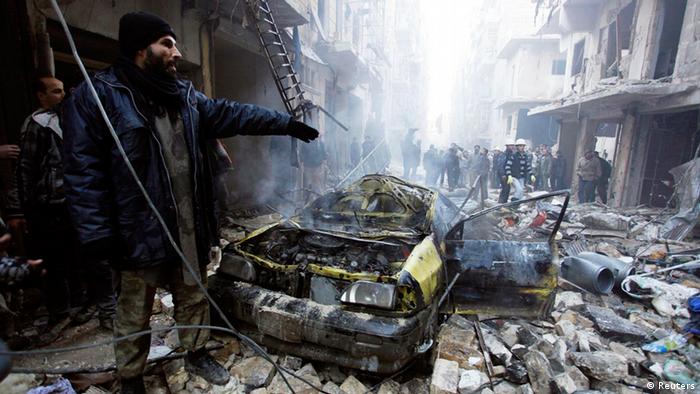
After nearly six years of fighting, an estimated 500,000 people killed, and some 12 million uprooted, Syrian President Bashar al-Assad appears likely to maintain power for now, but even with foreign backing his forces cannot end the war and regain total control. This was evident in the recent recapture of Palmyra by the Islamic State, just nine months after a Russian-backed military campaign had expelled the group. Assad’s strategy to cripple the non-jihadi opposition has worked to empower radical Islamist groups like the Islamic State and Jabhat Fateh al-Sham (formerly the Nusra Front). Non-jihadi rebels have been further weakened by the recent defeat in Aleppo; they remain fractious and undermined by their state backers’ divergent approaches.
The regime’s December recapture of eastern Aleppo marked a cruel turning point, with the regime and its allies succeeding by relentlessly besieging and bombarding civilians. Western diplomats expressed horror and outrage yet failed to muster a concrete response. The evacuation of civilians and rebels ultimately proceeded, haltingly, only after Russia, Turkey, and Iran struck a deal. This troika followed up with a meeting in Moscow to “revitalize the political process” for ending the war. Neither the United States nor the United Nations was invited or even consulted. A cease-fire deal brokered by Russia and Turkey at the end of December appeared to fall apart within days, as the regime continued military offensives in the suburbs of Damascus. Despite the significant challenges ahead, this new diplomatic track opens the best possibility for reducing the level of violence in Syria.
The war against the Islamic State is likely to continue, and there is an urgent need to ensure it will not fuel further violence and destabilization. In Syria, two competing efforts against the group — one led by Ankara, the other by the Syrian affiliate of the Kurdistan Workers’ Party (PKK) — are entangled with the conflict between the Turkish state and PKK inside Turkey. Washington has backed both efforts while trying to minimize direct clashes between them. The incoming Trump administration should prioritize de-escalating the conflict between its Turkish and Kurdish partners above the immediate capture of territory from jihadis. If violence between the two spirals, the Islamic State will be the first to gain.
The Islamic State still claims a caliphate across parts of Iraq and Syria, although it has lost significant territory over the past year. Even if it is defeated militarily, it or another radical group may well re-emerge unless underlying governance issues are addressed. The Islamic State itself grew from a similar failure in Iraq. It is spreading an ideology that is still mobilizing young people across the globe and poses threats well beyond the borders of Iraq and Syria, as recent attacks in Istanbul and Berlin have shown.
In Iraq, the fight against the Islamic State has further undermined the state’s ability to govern, caused enormous destruction, militarized youth, and traumatized Iraqi society. It has fragmented Kurdish and Shiite political parties into rival factions and paramilitary forces dependent on regional backers and competing over Iraq’s resources. The fight to defeat the Islamic State, whose rise has fed on deep grievances among Sunni Arabs, has compounded the damage done by the group’s rule. To avoid worse, Baghdad and the Kurdistan Regional Government need support and pressure to rein in paramilitary groups.
Success in the current U.S.-backed military campaign to retake Mosul, if mishandled, could turn into failure. Besides the regular Iraqi Army, special counterterrorism forces, and federal police who are leading the effort inside the city, local groups are also involved, seeking spoils of victory. Moreover, Iran and Turkey are competing for influence by using local proxies. The longer the battle drags on, the more these various groups will exploit opportunities to gain strategic advantage through territorial control, complicating a political settlement.
Iraq, with support from the United States and other partners, should continue military and logistics support to Iraqi forces pushing into the city and establish locally recruited stabilization forces in areas retaken from the Islamic State to ensure that military gains are not again lost. They will also need to jump-start governance involving local, and locally accepted, political actors.
2. Turkey
A New Year’s Eve attack in Istanbul — which killed at least 39 people — seems like a harbinger of more violence to come. The Islamic State claimed responsibility for the attack, a departure from the group’s general practice in Turkey that could signal an escalation. In addition to worsening spillover from the wars in Syria and Iraq, Turkey also faces a spiraling conflict with the PKK. Politically polarized, under economic strain, and with weak alliances, Turkey is poised for greater upheaval.
The conflict between the state and PKK militants continues to deteriorate following the collapse of a cease-fire in July 2015. Since then, the PKK conflict has entered one of the deadliest chapters in its three-decade history, with at least 2,500 militants, security forces, and civilians killed as both sides opt for further escalation. Clashes and security operations have displaced more than 350,000 civilians and flattened several city districts in Turkey’s majority Kurdish southeast. A PKK-linked double bomb attack killed 45 people near a soccer stadium in Istanbul in December. In response, the government is once again jailing representatives of the Kurdish movement, blocking a crucial channel to a political settlement that must include fundamental rights protections for Kurds in Turkey.
Though rooted in local sentiments, the escalation is also driven by Ankara’s growing concern over Kurdish gains in northern Syria and Iraq. This, and the danger posed by the Islamic State, persuaded Ankara to send its first detachments of troops into both countries, sucking it further into the Middle East maelstrom.
Domestically, President Recep Tayyip Erdogan’s government continues its crackdown on political opposition and dissent and is pushing for constitutional changes to usher in a presidential system — likely to be put to a public referendum in early spring. In the wake of the coup attempt last July, the government launched a massive crackdown, purging more than 100,000 officials.
Turkey’s Western allies, though dependent on a strong NATO partner on Europe’s southern border, have been strongly critical of the government’s authoritarian bent. This adds to the tensions created by stagnating negotiations between the EU and Ankara over Turkey’s accession to the bloc. In November, Erdogan responded angrily to criticism from Brussels, threatening to tear up the March 2016 refugee deal by which Ankara agreed to prevent the flow of Syrian refugees from moving onward to Europe. More than 2.7 million Syrian refugees are currently registered in Turkey; their integration poses significant challenges for the state and for host communities.
Relations with Washington are strained by Turkey’s military escalation with U.S.-allied Kurdish forces in Syria and by Turkey’s call for Washington to extradite alleged coup mastermind Fethullah Gulen. Ankara has reached an uneasy rapprochement with Moscow, and the December assassination of Russia’s ambassador to Turkey has, for the moment, brought the two countries closer together. Ankara is increasingly downplaying its Western alliances and scrambling to make arrangements with Russia and Iran. However, Turkey and Iran are still on a dangerous course, fueled by profound disagreement over their respective core interests in Iraq and Syria.
3. Yemen
The war in Yemen has created another humanitarian catastrophe, wrecking a country that was already the poorest in the Arab world. With millions of people now on the brink of famine, the need for a comprehensive cease-fire and political settlement is ever more urgent. Yemenis have suffered tremendous hardships from air bombardments, rocket attacks, and economic blockades. According to the U.N., approximately 4,000 civilians have been killed, the majority in Saudi-led coalition airstrikes. All parties to the conflict stand accused of war crimes, including indiscriminate attacks on civilian areas.
Saudi Arabia entered the conflict in March 2015 to counter advances made by the Houthis, a predominantly Zaydi Shiite militia viewed by Riyadh as a proxy for its archrival, Iran. Although the Houthis are not closely tied to Iran, it serves Tehran’s interests to have Saudi Arabia stuck in a vicious stalemate in Yemen.
Both sides appear locked in a cycle of escalating violence and provocations, derailing U.N. peace talks. In November, the Saudi-backed Yemeni government led by President Abed Rabbo Mansour Hadi rejected the U.N.’s proposed roadmap. That same month, the Houthi movement and its allies, mainly forces under former President Ali Abdullah Saleh, formed a new government. Despite the challenges, it may still be possible to convince the parties to accept the roadmap as the basis for a compromise that would end regional aspects of the war and return it to an inter-Yemeni process. Much depends on Saudi Arabia’s calculations and the willingness of its international sponsors, especially the United States and Britain, to encourage Riyadh to fully support the political compromise on offer. Failure to get the process back on track carries risks for all involved, as violent jihadi groups, including al Qaeda in the Arabian Peninsula and the Islamic State, are thriving in Yemen’s chaos.
4. Greater Sahel and Lake Chad Basin
Overlapping conflicts across the Greater Sahel and Lake Chad Basin have contributed to massive human suffering, including the uprooting of some 4.2 million people from their homes. Jihadis, armed groups, and criminal networks jockey for power across this impoverished region, where borders are porous and governments have limited reach.
In 2016, jihadis based in Central Sahel launched deadly attacks in western Niger, Burkina Faso, and Côte d’Ivoire, underscoring the region’s vulnerability. Al Qaeda in the Islamic Maghreb and al-Mourabitoun remain active while a new group claiming affiliation to the Islamic State is developing. All appear likely to continue attacks targeting civilians, as well as national and international forces. Mali is the U.N.’s most dangerous peacekeeping mission, with 70 personnel killed by “malicious acts” since 2013.
Mali could face a major crisis this year, as implementation of the 2015 Bamako peace agreement threatens to stall. The recent fracturing of the main rebel alliance in the north, the Coordination of Azawad Movements, has contributed to a proliferation of armed groups, and violence has spread to central Mali. Regional powers should use the upcoming African Union summit in January to revive the peace process and possibly bring in groups that are currently left out. Algeria, an important broker of stability in the region, has a key role to play as the deal’s chief mediator.
In the Lake Chad Basin, the security forces of Nigeria, Niger, Cameroon, and Chad have stepped up their fight against the Boko Haram insurgency. At the end of December, the Nigerian president announced the “final crushing of Boko Haram terrorists in their last enclave” in the Sambisa Forest, yet the group has not been vanquished. A leadership quarrel has split the jihadi movement, but it remains resilient and aggressive. Although international attention has focused on Boko Haram’s kidnapping and abuse of women and girls, policymakers should also note that some women joined the movement voluntarily in search of economic and social opportunities. Understanding the various ways women experience the conflict should directly inform strategies to tackle the roots of the insurgency.
The Boko Haram insurgency, the aggressive military response to it, and the lack of effective assistance to those caught up in the conflict threaten to create an endless cycle of violence and despair. If regional governments do not react responsibly to the humanitarian disaster, they could further alienate communities and sow the seeds of future rebellion. States should also invest in economic development and strengthen local governance to close off opportunities for radical groups.
5. Democratic Republic of Congo
The Democratic Republic of the Congo received some good news shortly before midnight on New Year’s Eve when Catholic bishops announced that a deal had been reached to resolve the country’s political crisis. President Joseph Kabila has not yet signed on to the agreement, which requires him to step down after elections are held, sometime before the end of 2017. Despite high levels of mistrust between the parties, the deal mediated by the Congolese Catholic Church remains the best chance for a path forward. The overarching challenge now is to prepare for elections and a peaceful transition in short order, for which solid international backing is essential.
Kabila’s determination to cling to power beyond his second term, in defiance of the Congolese Constitution, met with significant opposition and volatile street protests throughout 2016 — and threatens more widespread violence to come. Congo’s endemic corruption and winner-takes-all politics mean Kabila’s entourage has much to lose, so they may not let go easily. African and Western powers need to coordinate efforts to pull Congo back from the brink and prevent further regional instability. MONUSCO, the U.N.’s largest peacekeeping mission, does not have the capacity to deal with such challenges and would be more effective with a narrower mandate, moving away from institution building and toward good offices and human rights monitoring.
Last September, at least 53 people were killed, mostly by security forces, when demonstrations against Kabila’s rule beyond the end of his mandate turned violent. Clashes between security forces and protesters in several cities around the end of his term, on Dec. 19 and 20, reportedly killed at least 40 people. Violence is likely to continue if the elections are again postponed. The main opposition coalition, the Rassemblement, will be prepared to harness the power of the street to try to force Kabila out. The political tension in Kinshasa is also contributing to increased violence in pockets throughout the country, including the conflict-ridden east.
6. South Sudan
After three years of civil war, the world’s youngest country is still bedeviled by multiple conflicts. Grievances with the central government and cycles of ethnic violence fuel fighting that has internally displaced 1.8 million people and forced around 1.2 million to flee the country. There has been mounting international concern over reports of mass atrocities and the lack of progress toward implementing the 2015 peace agreement. In December, President Salva Kiir called for a renewed cease-fire and national dialogue to promote peace and reconciliation. Whether or not these efforts succeed depends on the transitional government’s willingness to negotiate fairly with individual armed groups and engage with disaffected communities at the grassroots level.
The internationally backed peace agreement was derailed in July 2016 when fighting flared in Juba between government forces and former rebels. Opposition leader and erstwhile Vice President Riek Machar, who had only recently returned to Juba under the terms of the deal, fled the country. Kiir has since strengthened his position in the capital and the region as a whole, which creates an opportunity to promote negotiations with elements of the armed opposition, including groups currently outside the transitional government.
The security situation in Juba has improved in recent months, although fighting and ethnic violence continue elsewhere. International diplomatic efforts are focused on the deployment of a 4,000-strong regional protection force — a distraction that would do little to quell an outbreak of major violence and pulls energy away from the deeper political engagement needed to consolidate peace. The existing U.N. peacekeeping mission in South Sudan, UNMISS, needs urgent reform — which is especially clear following its failure to protect civilians during last July’s spasm of violence in Juba. A glimmer of hope in the country’s tragedy is the delicate rapprochement underway among South Sudan, Uganda, and Sudan that might one day help guarantee greater stability.
7. Afghanistan
War and political instability in Afghanistan pose a serious threat to international peace and security, more than 15 years after U.S.-led coalition forces ousted the Taliban from power as part of a broader campaign to defeat al Qaeda. Today, the Taliban are gaining ground; the Haqqani network is responsible for attacks in major cities; and the Islamic State has claimed a series of attacks targeting Shiite Muslims that appear intent on stoking sectarian violence. The number of armed clashes last year reached the highest level since the U.N. started recording incidents in 2007, with large numbers of civilian casualties. Further weakening of the Afghan security forces would risk leaving large ungoverned spaces that could be exploited by regional and transnational militant groups.
America’s longest war barely registered as a policy issue during the U.S. presidential election. Trump’s intentions on Afghanistan remain unclear, though he has repeatedly expressed skepticism about nation building. His controversial choice for national security advisor, retired Lt. Gen. Michael Flynn, served as director of intelligence for Joint Special Operations Command in Iraq and Afghanistan. Flynn’s proclaimed focus on “radical Islamic terrorism” as the single-most important global threat misdiagnoses the problem, with worrying implications in Afghanistan and beyond. The strategic direction over time must be toward a negotiated settlement with the Taliban, which will require greater regional convergence as well as Chinese involvement. Meanwhile, Russia, Pakistan, and China have formed a working group on Afghanistan with the stated aim of creating a “regional anti-terrorism structure”; Kabul so far has been left out of the trilateral consultations.
Afghanistan’s relations with Pakistan have long been strained due to Islamabad’s support for the Taliban and other militant groups. Tensions increased last fall as thousands of Afghan refugees in Pakistan were forced to flee amid increased violence, detentions, and harassment. Afghanistan’s refugee crisis was made worse by the EU’s plan to deport 80,000 asylum-seekers back to Afghanistan — a politically driven response to a humanitarian emergency. All this on top of the country’s economic crisis adds heavy pressures on a dangerously weak state.
8. Myanmar
The new civilian government led by Nobel Peace Prize laureate Aung San Suu Kyi promised peace and national reconciliation as its top priorities; however, recent flare-ups of violence have jeopardized efforts to end nearly 70 years of armed conflict. In November, a “Northern Alliance” of four armed groups carried out unprecedented joint attacks on urban targets in a key trade zone on the Chinese border, triggering military escalation in the northeast. This does not bode well for progress at the next session of the 21st-Century Panglong Conference slated for February, part of a renewed peace process to bring together most of the country’s major ethnic armed groups.
Meanwhile, the fate of the Muslim Rohingya minority is drawing renewed international concern. The population has seen its rights progressively eroded in recent years, especially following anti-Muslim violence in Rakhine state in 2012. The latest round of violence in Rakhine was sparked by a series of attacks in October and November targeting border police and military in an area near Myanmar’s northwestern frontier with Bangladesh. Security forces hit back hard in a campaign that made little distinction between militants and civilians, with allegations of extrajudicial executions, rapes, and arson. By mid-December, the U.N. estimated that around 27,000 Rohingya had fled to Bangladesh. More than a dozen fellow Nobel laureates issued an open letter criticizing Aung San Suu Kyi for her failure to speak out about the abuses and calling for full and equal citizenship rights for the Rohingya.
The initial attacks were carried out by an armed group known as Harakah al-Yaqin (“Faith Movement”), whose emergence is a potential game-changer in Myanmar. Although the Rohingya have never been a radicalized population, the government’s heavy-handed military response increases the risk of spiraling violence. Grievances could be exploited by transnational jihadis attempting to pursue their own agendas, which would inflame religious tensions across the majority Buddhist country.
9. Ukraine
After almost three years of war and roughly 10,000 deaths, Russia’s military intervention defines all aspects of political life in Ukraine. Divided by the conflict and crippled by corruption, Ukraine is headed for even greater uncertainty. Trump’s professed admiration for Russian President Vladimir Putin scares Kiev, as do rumors that the United States may decide to scrap sanctions against Russia. Implementation of the February 2015 Minsk peace agreement is stalled, effectively bringing Russia closer to two of its goals in the Ukraine conflict: the establishment of permanent pro-Russian political entities in eastern Ukraine, as well as normalization of its annexation of Crimea that started the war in 2014.
Across Ukraine, there is growing disillusionment with leaders who were brought to power by the Maidan demonstrations of early 2014 but who now increasingly resemble the corrupt oligarchs thrown out. Western support for President Petro Poroshenko is ebbing due to Kiev’s unwillingness or inability to deliver promised economic reform and robust anti-corruption measures. Poroshenko’s problems may be compounded if early parliamentary elections are held in 2017, in which pro-Russia parties could gain ground.
The United States and EU must press Kiev harder for reforms while using strong diplomacy with Moscow, including maintaining sanctions. Putin must be convinced that there cannot be a return to normalcy in Europe so long as various forms of hybrid warfare are used to keep the situation in Ukraine unsettled. Russia’s tactics — including the use of force, cyberattacks, propaganda, and financial pressures — send a chilling message across the region.
10. Mexico
A high level of tension between the United States and Mexico might seem inevitable after Trump’s campaign pledges to build a border wall, deport millions of undocumented immigrants, and terminate the North American Free Trade Agreement. He also famously characterized Mexican immigrants as drug dealers, criminals, and rapists and drew on support from white nationalist groups. In an early effort to avoid future confrontation, Mexican President Enrique Peña Nieto invited candidate Trump to visit the country in September — a move that initially backfired with a Mexican public already angry about high crime, corruption, and a weak economy.
Peña Nieto knows Mexico cannot afford to make an enemy of its mighty neighbor. Mexico’s political and business elites are reportedly out in force to convince Trump and his advisors to modify stated positions on immigration and free trade.
If the United States were to pursue a policy of massive deportations, this would risk triggering an even worse humanitarian and security crisis. Refugees and migrants from Mexico and Central America are fleeing epidemic levels of violence combined with endemic poverty. A 2016 survey found that armed violence in Mexico and the Northern Triangle had killed around 34,000 people, more than were killed in Afghanistan over the same period. Stepped-up deportations and border enforcement tend to divert undocumented migration into more dangerous channels — benefiting criminal gangs and corrupt officials. The United States can better serve its own interests by strengthening its partnership with Mexico to address the systemic failings that give rise to violence and corruption.
The following is a list of ongoing armed conflicts that are taking place around the world and ..... Casualty Figures after 10 Years of the "War on Terror"" (PDF).
Sep 23, 2013 - The International Day of Peace or World Peace Day is celebrated annually across theworld on 21 September. Throughout the world, World ...
Feb 25, 2014 - DW takes a look at 10 of the more dangerous conflicts. ... TOP STORIES ... According to the Heidelberg Institute for International Conflict Research (HIIK), last year saw some 400 conflicts worldwide, 20 of them wars. DW takes ...
www.independent.co.uk › News › World › World Politics
Jun 7, 2016 - The world is becoming a more dangerous place and there are now just 10 countries which can be considered completely free from conflict, ... in the world, and by some margin, home to seven of the top 10 countries on the list.
It involved involved most of the world's nations, including all of the great ... only use of nuclear weapons in warfare, it was the deadliest conflict in human history, ...
Dec 20, 2013 - Current Major wars and conflicts in the world—Major conflicts are defined here as wars and conflicts in ... Also known as the “Great Lakes War.
Aug 2, 2015 - Overview of the Major Wars and Conflicts of The 20th Century. ... war was originally known as "The Great War," and also as "The World War.".