Featured Post

SalaamOne NetWork

SalaamOne سلام   is   a nonprofit e-Forum to promote peace among humanity, through understanding and tolerance of religions, cul...

Showing posts with label Iran. Show all posts

Iran linked to every Middle East war


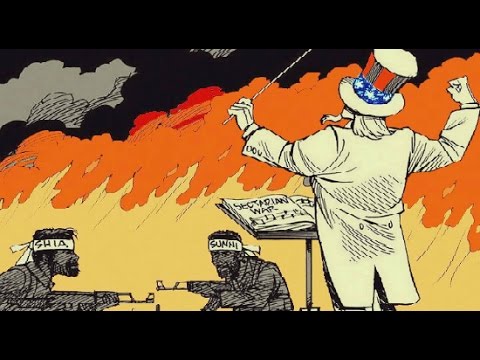
Iran frequently accuses other nations of being behind tensions and terrorism in the Middle East. This is part of its classic strategy to divert attention from actual issues and to buttress its four-decade-old argument that it has enemies. Maintaining these enemies help Iranian leaders survive politically and advance their regional hegemonic ambitions. If we examine every conflict, war or terrorist act in the region, Iran is either directly or indirectly a contributor.


Image result for middle east war iran

If it was not for its support of the Alawite-dominated state of Bashar Assad, the Syrian government would have likely been altered a few months after the uprising began in 2011.
Hundreds of thousands of lives would have been saved. More than a thousand militia groups would not have emerged in Syria. Groups such as Daesh would not have found a safe haven to expand and recruit. And the Shiite-Sunni sectarian war would not have escalated.
Iran deployed its Revolutionary Guard Corps (IRGC) and Quds Force (the IRGC’s elite branch that operates in foreign countries) to assist Assad’s forces. It also provides significant financial, intelligence and advisory assistance to Assad’s apparatuses.

Tehran has long used proxies to influence Lebanese affairs and advance its revolutionary, religious and geopolitical interests. Iran created Hezbollah, and continues to train, arm and finance it and other Shiite fighters in Lebanon. To help Iran achieve its regional ambitions, these fighters are being deployed in conflicts and wars in foreign nations such as Syria.
Tehran has deeply infiltrated Iraq’s political and security infrastructures. Not only is Iran intervening directly via the IRGC and Quds Force, it is also employing proxies and militia groups, some of them designated as terrorist organizations, to influence and dominate Iraq.
We cannot resolve crises and conflicts in the region by targeting the symptoms; the disease should be tackled. Tehran is part of the problem, not the solution.

Iran is intervening in Yemen by delivering weapons to the Houthis and providing advisory and financial assistance. Tehran has also escalated sending arms to militias and terrorists in Bahrain. In last month’s sanctions announcement, the US State Department said Iran has undoubtedly “provided weapons, funding and training” to Bahraini militants.
As former British Prime Minister Tony Blair said at the American Israel Public Affairs Committee (AIPAC) annual conference in March, “if you had a benign regime in Iran, all of the problems in the Middle East would be resolvable.”

We cannot resolve Middle East crises and conflicts by targeting the symptoms; the disease should be tackled. Almost every ongoing war, conflict and crisis in the region is traceable to Tehran. It is part of the problem, not the solution.

Dr. Majid Rafizadeh is a Harvard-educated, Iranian-American political scientist. He is a leading expert on Iran and US foreign policy, a businessman and president of the International American Council. He serves on the boards of the Harvard International Review, the Harvard International Relations Council and the US-Middle East Chamber for Commerce and Business. He can be reached on Twitter @Dr_Rafizadeh.

Trump Doctrine for Middle East

Trump doctrine must be driven by US core vital interests, which are:

• Eliminating ISIS as a functioning entity.

• Preventing Iran from achieving a nuclear weapon capability.

• Preventing Iranian hegemony throughout the Middle East.

• Removing the Iranian theocracy from power.

• Re-establishing and strengthening our relations with our traditional allies.

• Ensuring the survival of Israel.

• Establishing a sovereign Kurdistan.

• Maintaining freedom of navigation throughout the Persian Gulf and Red Sea, including strategic choke points, e.g., the Suez Canal, the Bab el-Mandeb Strait and the Strait of Hormuz.
..............
Trump’s Middle East doctrine
by James A. Lyons, washingtontimes.com

President Trump’s historic visit last month to Saudi Arabia, where he met with the heads of more than 50 mostly Sunni heads of state, dramatically marked the end of eight years of Barack Obama’s appeasement of Iran. It signaled to all the Muslim leaders that the United States as the “strong horse” is back. There was no doubt in any of the Muslim leaders’ minds that Mr. Trump is a man of action and a leader who will keep his word.

Mr. Trump’s goal of establishing a coalition of nations that share the objective of defeating terrorist groups and providing for a stable and hopeful future made it clear that the assembled nations cannot be indifferent to the presence of evil. That evil is represented not only by the Islamic State (ISIS), al Qaeda et al., but also by Iran, the recognized world leader of state-sponsored terrorism. In that sense, one of the key objectives of the summit was to isolate Iran, a goal embraced by the coalition, as well as their shared disdain for the Obama administration’s atrocious failed nuclear agreement with Iran.

Mr. Trump also made it clear that this coalition of nations must adopt a policy of “sovereign responsibility,” which means that they cannot wait for American power to defeat the enemy for them. They must be directly involved, with our assistance.

Nonetheless, the Trump doctrine must be driven by our core vital interests, which are:

• Eliminating ISIS as a functioning entity.

• Preventing Iran from achieving a nuclear weapon capability.

• Preventing Iranian hegemony throughout the Middle East.

• Removing the Iranian theocracy from power.

• Re-establishing and strengthening our relations with our traditional allies.

• Ensuring the survival of Israel.

• Establishing a sovereign Kurdistan.

• Maintaining freedom of navigation throughout the Persian Gulf and Red Sea, including strategic choke points, e.g., the Suez Canal, the Bab el-Mandeb Strait and the Strait of Hormuz.

The establishment of a Global Terrorism Center for Combating Extremism in Riyadh was a manifestation of the shared objective of defeating terrorist groups and isolating Iran, but its effectiveness will depend on results. The same can be said for the establishment of the Terrorist Financing Targeting Center, co-chaired by the United States and Saudi Arabia, as well as the United States-United Arab Emirates Center to Counter the Online Spread of Hate. It was clear to all the attendees that a peaceful, stable future can only be achieved by defeating the ideology that drives terrorism. Carrying this out will require some very fundamental and painful changes. For example, mosques and imams that preach hate and urge all Muslims to conduct violent jihad should be closed and the imams removed.

Concrete steps must be taken to stop funds from going to radical mosques and front groups that promote terrorism. Targeting funds being sent to various terrorists groups, e.g., ISIS and al Qaeda, must receive immediate priority. The source of these funds, be it from individuals or states like Qatar, must be identified and interdicted.

Qatar has been a particular problem because of its support of the Muslim Brotherhood and its cozy relationship with Iran. This came to a head on June 5, when Saudi Arabia broke diplomatic and some commercial relations with Qatar over its terrorist financing and its links to the Muslim Brotherhood, ISIS, Hamas and the Houthi rebels in Yemen. Qatar’s relationship with Iran was a decisive factor in causing the United Arab Emirates, Egypt and Bahrain to quickly join with Saudi Arabia in breaking relations. Most land, sea and air routes to Qatar have been closed. Qatar is an isthmus whose only land route is through Saudi Arabia by which it receives 40 percent of its food. This is a major problem for Qatar, despite Turkey’s offer of food and water delivered by sea.

Another issue that must be addressed is the U.S. Central Command’s forward air base in Qatar, which has been an essential element of our air campaign in the region. As of today, there has been no impact on U.S. air operations, but contingency plans should be made ready for an alternative air base if regional relationships further deteriorate.

An underlying element of the Trump doctrine that cannot be overstated is recognition that 65 percent of the population of the Middle East is under the age of 30, and that those youths must be provided with opportunities for a satisfying life as an attractive option to the lure of terrorist groups. While this is a worthy objective, Muslims don’t commit to jihad because they don’t have jobs. They commit to jihad because they are devout Muslims, many with university degrees. The only way they can be dissuaded from jihad is to see a crushing defeat of jihadis on the battlefield. Once they understand they cannot win, they are obligated by their own doctrine to back off.

Saudi Prince Mohammad bin Salman is taking the lead for economic and cultural reform in Saudi Arabia, and other members of the coalition should follow. Nevertheless, the indispensable principle for achieving the objectives of the Riyadh summit is the isolation of Iran, the prime mover of instability throughout the region. As a start, sanctions on the mullahs’ ballistic missile programs must be imposed. Further, until the unsigned nuclear weapons deal with Iran is formally canceled, real inspections by the U.N. International Atomic Energy Agency must be conducted on all the sites in their nuclear weapon infrastructure.

Finally, an aggressive plan must be developed with the objective of removing the regime of Ayatollah Ali Khamenei from power. That is the first principle of any plan to return stability and peace to the Middle East.

• James A. Lyons, a retired U.S. Navy admiral, was commander in chief of the U.S. Pacific Fleet and senior U.S. military representative to the United Nations.

Source: http://m.washingtontimes.com/news/2017/jun/13/donald-trumps-middle-east-doctrine/

Wilayat-e-Faqih:
Wilayat-e-Faqih doctrine, a fifth column strategy, has propagated sectarianism in the Muslim world

Noam Chomsky: US Is the ''Most Dangerous Country in the World''

Nuclear proliferation and climate change are subjects of acute concern in the current moment, driven into an all-out state of emergency by the new Trump administration. In this exclusive interview for Truthout, world-renowned intellectual Noam Chomsky discusses the media coverage of these two major issues, highlighting US tensions with Russia, Iran and North Korea, as well as discussing the recent US airstrike on Syria's Air Force base. Keep reading 》》》》
http://www.truth-out.org/opinion/item/40319-noam-chomsky-us-is-the-most-dangerous-country-in-the-world

Trump summons Muslim nations to confront ‘Islamic terror of all kinds’


RIYADH, Saudi Arabia — President Trump delivered a forceful address here Sunday summoning the Muslim world to confront “the crisis of Islamic extremism” as he seeks to create new partnerships to unite against global terrorism.
Speaking from Saudi Arabia, the birthplace of Islam and home to several of the religion’s holiest sites, Trump implored the leaders of dozens of Muslim nations to take their own destinies in hand and, together with the United States, stop the killing of innocent people in the name of religion.
“This is not a battle between different faiths, different sects or different civilizations,” Trump said. “This is a battle between barbaric criminals who seek to obliterate human life and decent people, all in the name of religion — people that want to protect life and want to protect their religion. This is a battle between good and evil.”
Trump implicitly rejected the aspirational goals and call for democracy and human rights of former president Barack Obama, who also delivered a major speech to the Islamic world early in his presidency. “We are adopting a principled realism,” Trump said.
“We are not here to lecture,” he said. “We are not here to tell other people how to live, what to do, who to be or how to worship. Instead, we are here to offer partnership, based on shared interests and values.”

President Trump, right, and Egyptian President Abdel Fatah al-Sissi share a laugh during a meeting in Riyadh, Saudi Arabia, on May 21, 2017.
Photo by: Evan Vucci/AP
Trump called for unity in confronting Iran over its funding of terrorists and promotion of a “craven ideology.” He called on the Muslim world to help isolate Iran and, just days after Iranians reelected moderate President Hassan Rouhani, to “pray for the day when the Iranian people have the just and righteous government they so richly deserve.”
[Trump campaigned against Muslims but will preach tolerance in Saudi speech]
In the run-up to Trump’s visit, there was considerable speculation about whether he would utter the phrase “radical Islamic terrorism” in his speech, the centerpiece of his Saudi trip.
On the campaign trail, Trump loudly criticized Obama for refusing to describe the terrorism threat in those terms. But some of Trump’s top aides, including national security adviser H.R. McMaster, have been urging him to soften his language. Many Muslim leaders consider broad denunciations of their faith insulting.
In his Riyadh address, Trump decided to use a substitute phrase: “Islamist extremism.” But he slightly veered off the prepared excerpts released earlier by the White House, saying “Islamic” instead of “Islamist” on several occasions.
Describing the fight against terrorism, Trump spoke of “honestly confronting the crisis of Islamic extremism and the Islamists and Islamic terror of all kinds.”
Lamenting the scourge of terrorism across the Middle East, Trump exhorted, “Drive them out! Drive them out of your places of worship. Drive them out of your communities. Drive them out of your holy land. And drive them out of this Earth.”

President Trump, second to the left left, shakes hands with Qatar's Emir Sheikh Tamim Bin Hamad Al-Thani, left, during a bilateral meeting on May 21, 2017, in Riyadh, Saudi Arabia. Seated with them are, from center to right, Secretary of State Rex Tillerson, White House senior adviser Jared Kushner and national security adviser H.R. McMaster.
Photo by: Evan Vucci/AP
Trump was addressing a rare gathering of leaders of about 50 Muslim nations at the Arab Islamic American Summit. It was his second day on a marathon foreign trip that will take him next to Israel, where he has ambitions to help negotiate peace, and then to the Vatican. The Middle East, he said, had long been home to “Arabs and Christians and Jews living side by side” and could again be a place for “every person, no matter their faith.”
[Trump mocked Obama for bowing to a Saudi king. And then he …]
By preaching tolerance and calling Islam “one of the world’s great faiths,” Trump departed from his previously stated views on Muslims. Anti-Muslim rhetoric and policies were hallmarks of his nationalist 2016 campaign; he proposed banning Muslims from entering the United States and proclaimed, “I think Islam hates us.”
Trump gave his remarks in an opulent hall of the King Abdulaziz International Conference Center, where crystal chandeliers hung from the gilded ceiling and attendees sat in plush armchairs. The president was seated at the front of the room, behind an ornate wooden desk and alongside the summit’s host, King Salman, before taking the lectern.
No final list of the leaders in attendance was initially released. Seen chatting in the chamber and then listening intently were kings, presidents and prime ministers from Jordan, Pakistan, the Palestinian Authority, as well as Egypt and numerous other African states with Muslim majorities. Some, including Turkey and Sudan, sent lower-level officials.
Speaking before Trump, Salman appeared to be gently admonishing the United States for its strict visa policies, saying that all in the room rejected “profiling religions and countries on a religious or sectarian basis.”
But he was effusive in his praise for Trump and the president’s decision to make Saudi Arabia the first stop on his first overseas trip. Trump, he said, “has many hopes and aspirations with the Arab and Muslim worlds.”
He said that his kingdom is committed to “fighting all forms of terrorism” and that “one of the most important goals of Islamic sharia is protecting life, and there is no honor in committing murder.”
The king directed much of his ire toward Iran, saying the Arab world had no problems with that country until its 1979 revolution brought a theocratic government that quickly turned to terrorism and regional ambitions. “These odious acts are the products of attempts to exploit Islam as a cover for political purposes to flame hatred, extremism, terrorism and religious and sectarian conflicts,” Salman said.
Trump was equally generous in his praise for Saudi Arabia, a Sunni Muslim state that considers Shiite Iran its principal rival for regional power.
He made proud reference to the $110 billion arms deal signed with the Saudis during his visit here and said the United States was willing to extend the same partnership to other nations that share its objectives.
Trump also highlighted, in terms reminiscent of his domestic boasting, what he said were the achievements of his first months in office, claiming the creation of nearly 1 million jobs.
[Ivanka Trump meets with Saudi women leaders as some activists remain critical]
The president wants to both profit from the sales and move partners in the Middle East to share more of what he has said is the unequal burden of defending them from both the Sunni terrorism of the Islamic State and al-Qaeda and from Iran.
“America is prepared to stand with you — in pursuit of shared interests and common security,” he said. “But the nations of the Middle East cannot wait for American power to crush this enemy for them. The nations of the Middle East will have to decide what kind of future they want for themselves, for their countries and, frankly, for their families and for their children.”
Overall, Trump delivered a dark decree to the leaders in attendance.
“Religious leaders must make this absolutely clear: Barbarism will deliver you no glory — piety to evil will bring you no dignity,” he said. “If you choose the path of terror, your life will be empty, your life will be brief, and your soul will be condemned.”
A few hours before his remarks, Trump and the leaders of six Persian Gulf states reached an agreement to crack down on terror financing, including the prosecution of individuals who continue sending money to militants.
The memorandum of understanding — between the United States and the Gulf Cooperation Council, comprising Saudi Arabia, Bahrain, Kuwait, Oman, Qatar and the United Arab Emirates — includes the creation of a center in Riyadh to fight extremism.
Dina Powell, Trump’s deputy national security adviser, called the agreement the “farthest-reaching commitment to not finance terrorist organizations” and said the Treasury Department would monitor it along with the gulf governments.
“The unique piece of it is that every single one of them are signatories on how they’re responsible and will actually prosecute the financing of terrorism, including individuals,” Powell told reporters.
[Trump signs ‘tremendous’ deals with Saudi Arabia on his first day overseas]
Outside funding for the Islamic State, al-Qaeda and other groups has come primarily from the Persian Gulf. U.S. officials in recent years have said that the gulf states have cracked down and virtually eliminated money coming from governments in the region. Instead, they believe certain wealthy individuals — primarily in Kuwait and, to a lesser degree, Qatar — remain funnels for money or are themselves financing the groups.
A Kuwaiti cabinet minister was forced to resign in 2014 after the United States complained about his activities, and regional governments have instituted legal crackdowns, with varying degrees of success, to stem the practice. All have signed agreements in the past to stop it.
The Islamic State, in particular, has largely funded itself through extortion and taxes in the areas it controls in Syria and Iraq, and through revenue for oil it sells clandestinely. But those sources, along with kidnapping for ransom, have diminished as the militants have lost territory.
The warm embrace of Trump that was on festive display on his first day in Riyadh continued during a trio of bilateral meetings the president held Sunday at the Ritz-Carlton hotel.
Egyptian President Abdel Fatah al-Sissi praised Trump and invited him to visit Egypt, which Trump said he intends to do. Through a translator, Sissi said, “You are a unique personality that is capable of doing the impossible.”
“I agree!” Trump replied, as his advisers and others looking on laughed.
Trump went on to compliment Sissi on his fashion, telling the Egyptian leader, “Love your shoes. Boy, those shoes. Man . . .”
Trump met with Sissi earlier this spring in Washington, breaking an Obama-era ban on receiving the Egyptian leader in the White House because of his crackdowns on political and civil expression since taking power in a 2014 coup.
Trump called Sissi “my friend” and thanked him for his help with the release of American aid worker Aya Hijazi, 30, who had been imprisoned in Cairo.
[Freed Egyptian American prisoner returns home following Trump intervention]
Trump also met with the emir of Qatar, Tamim bin Hamad al Thani, and noted the long friendship between the two countries and the prospect of future trade.
“One of the things that we will discuss is the purchase of lots of beautiful military equipment, because nobody makes it like the United States,” Trump told reporters ahead of his talks with the Qatari leader. “And for us that means jobs, and it also means, frankly, great security back here, which we want.”

Five steps toward achieving Middle East peace


Donald Trump’s decision to visit Saudi Arabia during his first overseas trip as president creates the perfect opportunity for his administration to take positive steps toward addressing five key needs in the region.

With these five, he can do a lot to reverse the unconstructive actions taken over the past eight years by the previous administration and make a start negotiating genuine peace and security for the region.

These policy ideas represent something of a consensus by Middle East experts, especially in Washington. Some of the steps are diplomatic, but others require military action by the United States. Americans have an understandable reluctance to re-engage militarily in the Arab world, but they have to understand that serious actions are required to prevent conflicts in the region from getting worse.

1) Correct the mistakes of the Obama administration: The previous presidency turned a blind eye to Iran’s regional menace, including Tehran’s support for terrorism and its escalation of sectarian violence. Attempts to rehabilitate the Iranian revolutionary regime into a normal state have failed. Release of the regime’s frozen funds, via the nuclear-weapons agreement, have allowed Iran to use that money to support militias and mercenaries in Iraq, Syria, Yemen, Bahrain and Lebanon. This must stop.

2) Fight all types of terror: Fighting one type of terrorism and neglecting others creates more conflicts and new armed groups. It is pointless to fight al Qaeda- and ISIS-backed terror without also pushing back on terror supported by Tehran. The fight against terror should be conducted by the international coalition against ISIS and, more importantly, by the 41-country Islamic Military Coalition, which is led by the Kingdom of Saudi Arabia. The Saudis have the necessary experience in the region to carry out this important and multifaceted task.

3) Move the Iraq issue to center stage: The U.S. government policy apparatus should concentrate on Iraq. This will diminish the importance of Iran in the estimation of U.S. policymakers. After all, Iraq is a U.S. ally. After taking down Saddam Hussein’s regime, U.S. mistakes turned Iraq into a killing field and a chaotic country. But Iraq is the geographic and strategic center of regional conflicts. For the sake of the region and the Iraqi people, the United States must focus on its healing, leaving Iran as a second-tier concern.

4) Find constructive solutions for the Palestinian people: The United States should try to revive the peace process between the Arabs and Israel by exerting pressure on Israel to accept the Arabian initiative for peace. Such a strong U.S. move can take the issue out of the hands of disruptive regional players that exploit the Arab-Israeli conflict as an emotional recruiting tool among Muslims. Too many of these other players are less interested in solving the Palestinian problem and more interested in achieving their expansionist ambitions, establishing militias and standing in the way of peace.

5) Support the legitimate government of Yemen: This will prevent Yemen from becoming an utterly failed state and a permanent launching pad for terrorism and sectarian hostilities. The United States should provide intelligence and logistical support to the Arab Coalition to help restore legitimacy to the government. In addition to risking the security of its neighbors, the Yemeni civil war threatens international navigation and the flow of energy to world markets through the Bab Al-Mandeb and Hormuz Strait shipping lanes. If these routes are not protected, oil prices in the West will soar.

These five steps are difficult, but not impossible, especially if they have the weight of the American president behind them. President Trump’s choice of the Middle East for his first overseas trip telegraphs the region’s importance to his administration. He has a rare chance to initiate history-changing statecraft during his trip, which could bring long-lasting benefits to a region sorely in need of them.
By Mohammed Alsulami, washingtontimes.com
ANALYSIS/OPINION: Mohammed Alsulami, a researcher at Umm Al-Qura University in Saudi Arabia, specializes in Iranian studies.


Wilayat-e-Faqih doctrine, a fifth column strategy, has propagated sectarianism in the Muslim world >>>>


خلافت اور امامت کے نام پر فتنہ و فساد Terrorism for Khilafat or Imamat: Daesh/ISIS Khilafat and Iranian ideology of WilyatFiqh (Guardian Council) Rule are tow sides of same coin >>>

Export of Iran's revolution enters 'new chapter': Iran's top general said  his country has reached "a new chapter" towards its declared aim of exporting revolution, in reference to Tehran's growing regional influence. The comments by Major General Mohammad Ali Jafari, commander of the nation's powerful Revolutionary Guards Corps, come amid concern among some of Shiite Iran's neighbours about Tehran's role. "The Islamic revolution is advancing with good speed, its example being the ever-increasing export of the revolution," he said, according to the ISNA news agency. "Today, not only Palestine and Lebanon acknowledge the influential role of the Islamic republic but so do the people of Iraq and Syria. They appreciate the nation of Iran." He made references to military action against Islamic State (IS) jihadists in Iraq and Syria, where the Guards have deployed advisers in support of Baghdad and Damascus.  "The phase of the export of the revolution has entered a new chapter," he added, referring to an aim of Iran's 1979 Islamic revolution.>> http://www.dailymail.co.uk/wires/afp/article-2990005/Export-Irans-revolution-enters-new-chapter-general.html --- http://peace-forum.blogspot.com/2016/03/exporting-iranian-revolution-to-arabs.html

..............................
~ ~ ~ ~ ~ ~ ~ ~ ~ ~ ~ ~ ~  ~ ~ ~  ~


~ ~ ~ ~ ~ ~ ~ ~~ ~ ~ ~ ~ ~  ~ ~ ~  ~
Humanity, Knowledge, Religion, Culture, Tolerance, Peace
انسانیت ، علم ، اسلام ،معاشرہ ، برداشت ، سلامتی 
Books, Articles, Blogs, Magazines,  Videos, Social Media
بلاگز، ویب سائٹس،سوشل میڈیا، میگزین، ویڈیوز,کتب
سلام فورم نیٹ ورک  Peace Forum Network 
Join Millions of visitors: لاکھوں وزٹرز میں شامل ہوں 
Salaamforum.blogspot.com 
سوشل میڈیا پر جوائین کریں یا اپنا نام ، موبائل نمر923004443470+ پر"وہٹس اپپ"یا SMS کریں   
Join 'Peace-Forum' at Social Media, WhatsApp/SMS Name,Cell#at +923004443470
     
  
Facebook: fb.me/AftabKhan.page

Emergence of Iranian “Shiite Crescent” Across Middle East - WSJ


Arab powers in the Middle East fear that Iran is establishing a “Shiite Crescent” in order to advance its regional ambitions, The Wall Street Journal reported Thursday.

As the Islamic State continues losing territory to Iran-backed militias, Sunni countries are concerned that they may “face a potentially more dangerous challenge: a land corridor from Tehran to Beirut that would reinforce a more capable and no less implacable enemy,” the Journal wrote.

While many in the West regard Iran-backed forces as a preferable alternative to ISIS, “that isn’t how those militias are viewed in Riyadh and other Gulf capitals,” the Journal pointed out.

Prince Turki al-Faisal, the former head of Saudi intelligence and a nephew of Saudi King Salman bin Abdulaziz, told the Journal that Iran-backed militias and ISIS “are equally vicious, equally treacherous, and equally destructive.” He added that the West misunderstood Iranian intentions in the region, saying, “It’s wishful thinking that, if we try to embrace them, they may tango with us. That’s an illusion.”

The Journal explained that the threat of a “Shiite crescent,” first expressed by Jordan’s King Abdullah following the ousting of Saddam Hussein in 2003, has intensified in recent years.

While the dramatic growth of ISIS in western Iraq and eastern Syria after the outbreak of that country’s civil war cut off land communication between the crescent, Tehran has since increased its support of allied forces in the region in order to fortify their positions. In Syria, Iran’s terrorist proxy Hezbollah and other allied groups — primarily composed of Shiites from Afghanistan, Pakistan, and Iran — have been instrumental in keeping Syrian President Bashar al-Assad in power.

“Shiite militias controlled by Iran now play a far greater role than in 2011,” the Journal wrote, with Iraq expelling its Saudi ambassador last month after he criticized the Iran-backed groups. Also known as the popular mobilization forces (PMF), these militias were recently integrated into the Iraqi army and have taken over numerous Sunni areas in Iraq that were “liberated” from ISIS control.

Andrew Tabler, a fellow at the Washington Institute for Near East Policy, told the Journal that “Iran’s power has spread further afield than before in terms of direct military power. We have never had so many Shiite militias operating in so many different areas, and fighting in traditional Sunni strongholds.”

According to some, the threat posed by Shiite militias could lead to a new insurgency in the region. Saleh al-Mutlaq, a Sunni former Iraqi deputy prime minister, told the Journal that the ongoing disenfranchisement of Sunnis could lead to a repeat of history. “Unless you start thinking about the conditions that created ISIS in the first place and try to overcome these conditions,” he said, “there will be a new ISIS again, maybe of a different kind.”

Iran’s recent formation of a Shiite “Liberation Army” has raised fears among observers that Tehran “is asserting itself as a regional or even an imperialistic power,” according to Tallha Abdulrazaq, a researcher at the University of Exeter.

Reuters reported last month that Washington has failed to rein in the PMFs operating in Iraq, even as they “detained, tortured and abused” hundreds of Sunni civilians. In Syria, forces backed by Iran have ethnically cleansed several Sunni neighborhoods in and around Damascus.

In 2014, an Iranian official close to Supreme Leader Ayatollah Ali Khamenei claimed that the Islamic Republic assumed control of four Arab capitals.
Emergence of Iranian “Shiite Crescent” Across Middle East
by 
TheTower.org Staff, thetower.org

~ ~ ~ ~ ~ ~ ~
Islamic Revival رساله تجديد الاسلام ‏

An in-depth study of the Qur’an and Islamic religious history reveals startling facts. “Risala-e-Tajdeed-ul-Islam” is a message to develop positive change in the thought and practices of Muslims.
قرآن اور اسلام کے گہرے مطالعه سےحیران کن حقائق کا انکشاف ہوا، "رساله تجديد الاسلام" مسلمانوں کے انداز فکروعمل میں مثبت تبدیلی کا پیغام ہے:

The "Strategic" Partnership Between India and Iran or The Un-Holy Alliance against Pakistan?


In the worst-case Scenario of war with Pakistan, The Possibility that India might access Iranian Military bases, Thereby encircling and Containing Pakistan, cannot be excluded. [Read full report]
Writes, Jalil Roshandil a well reputed Iranian scholar and researcher. He has been on research penal of many universities in USA, Turkey, and Denmark. He has also been associated with with a well known think tank of University of Iran.
Excerpts:
Iran’s decision to bypass Pakistan and sign an agreement with India was the result of several factors. Of key importance was the old belief that “the enemy of my enemy is my friend.” Iran had simply learned to distrust the West through experiences like the 1953 coup, in which the United States supported the Shah, and even older British and European interventionist policies. In the late 1980s, Pakistan was still seen as a close ally of the despised United States.

Iran and India find themselves coming together not only economically, but also politically. The foreign policies of the two countries have always had commonalities; in particular, both detested Afghanistan’s Taliban and feared the militant Sunni Islam that the Taliban represented. (It is worth remembering that India has more Muslims than either Iran or Pakistan.) Though the Taliban are no
longer in power,Afghanistan remains unstable and a regional concern. Both Iran and India have had difficult dealings with Pakistan as well—it is well known that India blames Pakistan for fanning a secessionist struggle in India’s majority-Muslim state [nore.. its occupied] of Kashmir. One more factor that has helped solder ties between the two countries is Iran’s desire to survive under American pressure and the U.S.-led embargo—in a sense, Iran is still “looking East.”

On the military side, India and Iran agreed  to explore opportunities for joint training and exchange of visits, while declaring that defense cooperation is not aimed against any third country. That the military aspect of the deal will go much further is unlikely. Both India and Iran fear the possible seizure of Pakistan’s nuclear arsenal by Islamic fundamentalists—but both Iran and India have their own religious thugs who might attempt to do the same thing. In the worst-case scenario of war with Pakistan, the possibility that India might access Iranian military bases, thereby encircling and containing Pakistan, cannot be excluded. Such a move would fundamentally alter Islamabad’s strategic calculations. Depending on the strength of India-Iran relations, Iran could get access to advanced Indian military technology.

India keeps its Iran option open for two major reasons:

  1. First, relations with Iran are strategically important for India’s relations with Pakistan. 
  2. Second, even a superficially good relationship with Iran can be sold politically to Muslim Indians who might have some sympathy towards the Islamic Republic of Iran For example, discussion will continue on projects in Iran such as the Chahbahar Free Trade Zone port complex,the Chahbahar-Fahraj-Bam railway link, and the Marine Oil Tanking Terminal. 
Read full >>>


India and Iran—one the object of much wooing from Washington, the other a member of President Bush’s “axis of evil” —announced the creation of a “strategic partnership” in 2003. This Special Report explores the new cordiality in relations between New Delhi and Tehran, as well as the ways this partnership may impact upon the interests of other regional players. Christine Fair explains the calculations that make Iran an attractive partner for New Delhi, and concludes that the bilateral relationship is here to stay. Jalil Roshandel offers an Iranian perspective on the relationship. Pakistan, geographically situated between the two, views closer links between its neighbors with considerable alarm, a subject examined by Sunil Dasgupta. P.R. Kumaraswamy asks how this new Indian-Iranian collaboration may influence New Delhi’s economic and strategic ties with Israel. In addition, all four essays address the implications for the United States of the new -

See more at: https://www.wilsoncenter.org/publication/the-strategic-partnership-between-india-and-iran-pdf#sthash.Sv6zZ6s0.dpuf

It is common to brush aside the conspiracy theories. However if one critically examines the plans conceived decades back by scholar or groups with close association with the policy makers in USA and UK and the events on ground bear close semblance, its difficult to reject it out rightly. The governments of Muslim countries should consider these aspects seriously and instead of investing in construction of high rise building and other symbols of luxury, should invest in education, and establish think tanks, with genuine intellectuals, analysts and thinkers. They should constantly review the international plans and conspiracies, suggesting concrete counter measures for the national survival and advancement of peace and stability. 
Also read:


Exporting Iranian revolution to Arabs


After the Iranian Revolution the foreign policy of Iran changed dramatically. In many cases diplomatically inimical Arab nations became more cooperative with Iran, while some formerly supportive nations decreased their support.
Ruhollah Khomeini, leader of the revolution and founder of the Islamic Republic of Iran and its first Supreme Leader declared that, "The concept of monarchy totally contradicts Islam." Therefore, Arab leaders developed a hostile attitude towards the Islamic Republic of Iran. Khomeini's idea of supporting the mustazafeen (those who are wronged or oppressed) as opposed to the mustakbareen (those who are arrogant) led to many problems with neighboring countries due to some Arab regimes being judged by Iranian jurists to be among the mustakbareen. Ayatollah Khomeini was open about his intention to export the revolution to other parts of the Muslim world. Thus, during the early 1980s, Iran was isolated regionally and internationally. This diplomatic and economic isolation intensified during the Iran–Iraq War in which almost all neighboring Arab states, except Syria, supported Iraq logistically and economically. According to some observers,Saddam Hussein fought on behalf of other Arab states that viewed Iran as a potential threat to their stability.
In the late 1980s and early 1990s, the revolutionary zeal cooled and a degree of pragmatism was adopted by Iranian policy makers. During the presidency of Akbar Hashemi and Mohammad Khatami, Iranian foreign policy switched to reducing international tensions and Iran tried to normalize its relations with its Arab neighbors. When the United States attacked Iraq in the early 1990s, it promoted Iran's political influence in the Middle East.
Since 2000 the situation changed completely. The most significant factor was Bush administration's decision to attack Iraq in 2003 which led to the fall of Saddam, a ba'athist leader with pan-Arab sympathies who was determined to balance Shi'a Iran's regional influence. With the deposition of Saddam, Iran found a major obstacle to its expansion removed. This gave Iran a good chance to emerge as a major player in the Middle East. As Richard Haass quoted Iran will be one of the two most powerful states in the region...The influence of Iran and groups associated with it has been reinforced. Iran could find allies in Arab world comprising Syria, Lebanon, Kuwait and Iraq. On the other hand, Saudi Arabia, Jordan and United Arab Emirates united against Iran, with support from the United States. Other Arab countries continued to have normal relations with Iran.
Another aspect of tension between Iran and Arab countries has been sectarianism. During the early days of the Iranian Revolution, Ayatollah Khomeini endeavored to bridge the gap between Shias and Sunnis by forbidding criticizing the Caliphs who preceded Ali. He also declared it permissible for Shiites to pray behind Sunni imams. However, the influence of Iran on Shiite communities outside its borders and the territorial disputes with Arab neighbors among other issues remain sources of tension in Arab-Iranian relations.[citation needed]
Diplomatic cables leaked in 2010 revealed Arab leaders singled out Iran as the greatest threat to regional stability, yet refuse to speak publicly, telling US diplomats in private, they'd face domestic troubles if they were seen as siding with the West against a Muslim country. The cables showed that Saudi Arabia and Bahrain supported a military attack against Iran aimed to stop the Iranian nuclear program.
On January 4, 2016, Saudi Arabia and Bahrain severed diplomatic ties with Iran. Saudi Arabia cited attacks on the Saudi embassy in Tehran following predominantly Sunni Saudi Arabia's execution of a Shiite cleric. Bahrain cited Iran's "blatant and dangerous interference" in Bahrain and other Arab countries. Read full article at Wikipedia >>>
Read English translation below.....
ایران سے عرب ممالک میں 'انقلاب کی برآمد'
لبنان - حسن فحص
انیس سو پچاسی کے اوخر میں ایرانی قیادت نے پاسداران اسلامی انقلاب کے زیرانتظام "ورلڈ لبریشن موومنٹس بیورو – دفتر سازمانهائے أزادى بخش" کو بند کرکے ان تحریکوں کے ساتھ رابطے کی ذمہ داری وزارت خارجہ کے حوالے کردی۔ اس وقت علی ولایتی وزیر خارجہ، میر حسین موسوی وزیراعظم اور علی خامنہ ای ایران کے صدر تھے۔
اس فیصلے کے بعد تہران میں لبریشن موومنٹس کے دفاتر پر پابندیوں کے حوالے سے اقدامات کا آغاز ہوا جن کا نتیجہ بالآخر ایران سے ان تحریکوں کے نکل جانے پر ہوا۔ تاہم عراقی اور افغان تحریکوں کو مستقبل میں ان کے خصوصی کردار کی وجہ سے باقی رکھا گیا۔ بعد ازاں یہ کردار 1988 اور 2003 میں عراقیوں اور 2001 میں افغانوں کے ساتھ واضح ہوگیا۔ اس کے علاوہ فلسطینی سفارت خانے کو بھی برقرار رکھا گیا تاکہ ایران کی نگرانی میں پروان چڑھنے والی تنظیموں کے مفاد میں فلسطین کے ساتھ تعلق استوار کیا جائے۔
بعض میدانوں کی خصوصیت
یہ بات بالکل واضح ہے کہ شروع سے ہی لبنان کے ساتھ خصوصی تعلق رکھا گیا۔ لبنانی بحران میں فوجی پاسداران کے ادارے کی جلد اور براہ راست مداخلت کا ایرانی حکمت عملی سے گہرا تعلق تھا کیوں کہ وہ لبریشن موومنٹس کے لیے بہترین میدان تھا۔ بالخصوص 1982 میں اسرائیلی حملے اور اس کے بعد ایرانی فورس کے لبنان بھیجے جانے کے بعد۔ تاہم اس منصوبے کی راہ میں بھی دو بنیادی رکاوٹیں تھیں :
پہلی : خمینی نے "سب سے پہلے ایران" کے نعرے کے تحت ایرانی فوجیوں کی بڑی تعداد کو نہ بھیجنے کا فیصلہ کیا کیوں کہ ایران کو عراق میں صدام حسین کی حکومت کے ساتھ جنگ کا سامنا تھا۔
دوسری : اس وقت کے شامی صدر حافظ الاسد نے دمشق پہنچنے والے ایرانی فوج کے ہراول دستے کے تقریبا 4 ہزار اہل کاروں کو لبنان کی سرحد تک پہنچنے سے روک دیا تھا۔
اس کے مقابل تہران میں ان تحریکوں کے نمائندوں کا نظر آنا ختم ہوگیا جو جزیرہ عرب میں انقلاب لانے کی کوششیں کررہی تھیں جن میں بحرین، کویت اور دیگر عرب ممالک شامل ہیں۔
اس کے علاوہ دیگر تحریکوں مثلا جنوبی امریکا کے انقلابی، پولیساریو تحریک، الجزائر کے انقلابی، مصری انقلابی، یورپی بائیں بازو کی جماعتیں اور اسپین میں باسک تنظیم وغیرہ کے نمائندے بھی ایران سے کوچ کرگئے۔
آزادی کی عالمی تحریکوں کے ساتھ تعلق محدود کرنے کے ایرانی فیصلے سے تین میدانوں کو مستثنی رکھا گیا جو ایرانی قیادت کے لیے تزویراتی گہرائی کی حیثیت رکھتے تھے۔ ان میں ایک میدان تو افغانستان تھا جہاں شمالی اتحاد سے تعلق استوار کیا گیا۔
دوسرا میدان عراق تھا جہاں سپریم کونسل برائے اسلامی انقلاب تشکیل دی گئی۔ آغاز میں اس کونسل میں ایران میں موجود تمام اسلامی گروپ شامل تھے۔ تاہم بعد میں ان گروپوں کے اندر بعض اختلافات بھی سامنے آئے اور پھر محمد باقر الحکیم نے اس سپریم کونسل کی قیادت سنبھال لی۔ اس دوران پاسداران انقلاب کے خصوصی حلقوں نے عراق میں کرد جماعتوں کے ساتھ بھی سیکورٹی، عسکری اور سیاسی تعلقات قائم کیے۔ افغانی اور عراقی پتوں کو بچا کر رکھنے کی براہ راست اہمیت 11 ستمبر کے واقعات کے بعد 2001 میں افغانستان میں اور اپریل 2003 میں عراق میں بین الاقوامی مداخلت کے بعد پوری طرح واضح ہوگئی۔
تشکیل اور تربیب
مستثنی رکھا جانے والا تیسرا میدان لبنان تھا.. جہاں ایران کی جانب سے تشکیل دی گئی تنظیم "امت حزب الله" کو امل موومنٹ کے سامنے حقیقی حریف کی شکل میں بدل دیا۔
انیس سو بیاسی میں خمینی کے فیصلے اور شام اور لبنان میں ایرانی توسیع سے متعلق حافظ الاسد کے اندیشوں کے باوجود پاسداران انقلاب کے تقریبا 4 ہزار اہل کار دمشق پہنچ کر سیدہ زینب کے علاقے میں ٹھہر گئے۔ شامی حکومت نے ان اہل کاروں کو الزبدانی کے علاقے میں منتقل کر کے ان کے لیے ایک خاص کیمپ قائم کردیا تاکہ وہ مقامی باشندوں اور ایران کے حامی لبنانی فریقوں تک نہ پہنچ سکیں۔
بعد ازاں شامی حکومت اور ایرانی سفارت خانے کے درمیان ایک معاہدے کے تحت ان ایرانی اہل کاروں کی مقررہ تعداد کو لبنان کے مشرقی میں البقاع کے علاقے بعلبک میں تربیتی کیمپ قائم کرنے کی اجازت دی گئی.. تاکہ اسرائیلی قابض فوجوں کا مقابلہ کرنے والے گروپوں کو تربیت دی جاسکے۔
یہ منتقلی تہران میں وزارت دفاع، پاسداران انقلاب کی قیادت، وزارت خارجہ، خمینی کے انقلاب کے بیورو کے سربراہ اور باسیج فورس کے سربراہ کے درمیان کئی ملاقاتوں کے بعد عمل میں آئی۔ بعد ازاں تہران میں امل موومنٹ کے نمائندے کو بھی شریک کیا گیا جس نے لبنان میں شیعہ فرقے کے اندر امل موومنٹ کے خلاف اور متوازی ایران کے زیرانتظام ایک خصوصی تنظیم قائم کرنے پر آمادگی کا اظہار کیا۔ اس طرح "امت حزب اللہ" کے نام سے یہ تنظیم وجود میں آئی۔
کردار کی بنیاد
پچاسی میں لبنان سے اسرائیل کے جزوی انخلاء نے ایران کو یہ موقع فراہم کردیا کہ وہ "امت حزب اللہ - اسلامی مزاحمت" تشکیل دے کر لبنان میں اپنے رسوخ اور کنٹرول کو مضبوط بنائے۔ یہ نئی جماعت اپنی پیچیدہ سیکورٹی، سماجی، سیاسی اور عسکری کارروائیوں کے ذریعے بائیں بازو کی قومی جماعتوں کو مزاحمت کے عمل سے دور کرنے میں کامیاب ہوگئی۔
اس سلسلے میں شام کی ایران کے ساتھ یہ مفاہمت طے پائی کہ لبنان کے میدان کو دو شیعہ فریقوں کے درمیان تقسیم کردیا جائے۔ ان میں ایک تو امل موومنٹ میں شام سے وابستگی رکھنے والا گروپ تھا جو نبیہ بری کی قیادت میں سیاسی سرگرمیوں کا ذمہ دار تھا.. جب کہ دوسرا گروپ ایران سے وابستگی رکھنے والے عناصر پر مشتمل تھا جن کے ذمے سرحدی پٹی پر اسرائیلی وجود کے خلاف عسکری کارروائیاں سرانجام دینا تھا۔
1993 میں "حزب الله" (جس نے اپنے نام سے امت کا لفظ ہٹا دیا تھا) کی جانب سے ادا کیے جانے والے کردار کی اہمیت اس وقت بھرپور انداز سے واضح ہوگئی.. جب ایران نے خود کو خطے کے نئے نقشے سے باہر پایا۔ 1993 میں حزب اللہ اور اسرائیل کے درمیان ہونے والے معرکے نے تصفیے کے عمل کو بڑی حد تک برباد کر دیا یا کم از کم پیچیدہ ضرور بنا دیا.. جس کے بعد علاقائی سطح پر شام اور ایران ایک مرتبہ پھر نمایاں کھلاڑی بن کر ابھرے۔
1996 میں بھی لبنان کے جنوب میں حزب اللہ اور اسرائیل کے درمیان جنگ ایران اور شام کے اس مشترکہ کردار کو مضبوط کرنے کی کوشش ثابت ہوئی۔ دونوں نے اپنے مفادات کو پورا کرنے میں کوئی کسر نہ چھوڑی۔
اپریل 1996 میں حزب اللہ اور اسرائیل کے درمیان طے پائے جانے والے معاہدے کے مطابق فریقین کو ایک دوسرے کے خلاف جارحیت کے صورت میں اپنے دفاع کا حق دیا گیا۔ اس معاہدے کے نتیجے میں حزب اللہ محض ایک ایران نواز لبنانی جماعت کے خول سے باہر آ کر "علاقائی سطح پر کردار کی حامل" جماعت بن گئی۔
اس طرح اس کے سامنے لبنان کے علاوہ پوری عرب دنیا اور دیگر ممالک میں بھی بڑا کردار ادا کرنے کی راہ ہموار ہوگئی۔ ایرانی قیادت کو جو حزب اللہ کے لیے سیاسی، مذہبی اور ثقافتی سائبان شمار کی جاتی ہے.. ولایت فقیہہ کے نظام اور اپنے عالمی منصوبے پر عمل درامد کے سلسلے میں تنظیم سے بڑی توقعات وابستہ ہوگئیں۔
جولائی 2006 میں اسرائیل کے ساتھ جنگ کے دوران اور اس کے بعد خطے کی سطح پر حزب اللہ کا کردار مضبوط ہو کر زیادہ سنجیدہ مرحلے کی طرف منتقل ہوگیا۔ اس لیے کہ نیوکلیئر پروگرام کے حوالے سے ایران کو بچانے کی جنگ تھی.. یہ معاملہ اس وقت ڈیڈلاک کا شکار ہوگیا تھا اور نیوکلیئر پروگرام کے علاوہ عراق، افغانستان اور فلسطین میں کردار کی وجہ سے امریکا اور مغربی ممالک کی جانب سے ایران کے خلاف بھرپور ممکنہ جنگ کی دھمکیاں عروج پر پہنچ گئیں تھیں۔
کرداروں کی تقسیم
1997 ایران کے لیے ایک اہم سال تھا جب محمد خاتمی نے ملک کی صدارت سنبھالی۔ اس سے قبل عالمی برادری کے ساتھ ایران کے تعلقات انتہائی نازک مرحلے میں داخل ہوچکے تھے۔ ایران پر جرمنی اور ارجنٹائن میں دہشت گرد کارروائیوں کا الزام عائد کرکے یورپی ممالک نے اس کے بائیکاٹ کا اعلان کرتے ہوئے وہاں سے اپنے سفارت کاروں کو واپس بلالیا۔
مغربی دنیا کے سامنے خاص طور پر اور پڑوسی عرب ممالک کے سامنے کشادگی اور خیرسگالی کے جذبے کے اظہار کے لیے ایران کو اطمینان بخش اقدامات کرنے کے ساتھ ساتھ اعتماد کی راہوں کو پھر سے استوار کرنا تھا۔ اس موقع پر خاتمی نے اپنے مصالحانہ خطاب میں عالمی برادری کے ساتھ مکالمے کی فضا سازگار کرنے کا عندیہ دیا۔
اس کے مقابل ایرانی حکومت نے خاتمی کے خطاب کو خطے کی سطح پر میدان میں اپنی صلاحیتوں کے دوبارہ حصول کا موقع شمار کیا اور اصلاح پسند صدر کی جانب سے فراہم کردہ سکون کی فضا کا پورا فائدہ اٹھایا۔
یہاں سے ایران نے براہ راست سیاسی نگرانی کے تحت خطے میں سیاسی اور عسکری قوتوں کے ساتھ دوبارہ تعلق استوار کرنے کا فیصلہ کیا۔ اس سلسلے میں لبنان میں حزب اللہ اور اس کے سکریٹری جنرل حسن نصر اللہ کو مہرہ بنایا گیا.. جس کے بعد بیروت ایرانی فلک پر گھومنے والی فلسطینی قوتوں مثلا حماس اور اسلامی جہاد یہاں تک کہ فلسطینی اتھارٹی کے ساتھ بات چیت کے لیے بھی ملاقات کا مرکز بن گیا۔ اس کے علاوہ سوڈان، یمن اور مصر کے میدانوں میں بھی تعلقات استوار کرنے پر کام کیا گیا۔
لبنان سے شروع کرکے مختلف میدانوں میں سیاسی، سیکورٹی اور فوجی سطح پر سرگرمیوں کو پھر سے فعال بنانے کے نتیجے میں ایران کو ورلڈ لبریشن موومنٹس کے بیورو کو بھی دوبارہ سے متحرک کرنے کا موقع مل گیا جب کہ نہ تو اس کا نام استعمال کرنے کی ضرورت پیش آئی اور نہ ان سرگرمیوں میں اپنے کردار کے حوالے سے براہ راست شک و شبہات کی گنجائش چھوڑی گئی۔
تقریبا چار دہائیوں سے جاری اس انبار سازی کی اہمیت گزشتہ پانچ سالوں میں ایران کے لیے بہت نمایاں ہوگئی.. اس کی وجوہات میں عرب دنیا میں انقلابی لہر کا بیدار ہونا اور خطے کی پیش رفت میں حزب اللہ کا براہ راست داخل ہونا شامل ہیں۔ اس طرح حزب اللہ کا یمن، عراق، بحرین اور یہاں تک کہ مصر اور نائیجیریا میں... اور سب سے زیادہ خطرناک کردار شام میں نمایاں ہوگیا جو ایرانی دائرہ کار میں موجود قوتوں کی سرگرمیوں اور ان کے درمیان رابطے کے محور میں تبدیل ہوگیا... اور یہ ایرانی توسیع پسندی کے بڑے منصوبے کے سلسلے کی ایک اہم کڑی ہے۔
پیر 28 جمادی الاول 1437هـ - 7 مارچ 2016م
رابط مختصر 
http://urdu.alarabiya.net
English Translation by Google:

Aukr administered in nineteen hundred and fifty leaders of the Iranian Islamic Revolutionary Guard "World Liberation Movements Bureau - Office sazmanهayy free unsatisfactory" closed by the Ministry of Foreign Affairs with responsibility for communication these movements. The foreign minister Ali Velayati, Minister Mir Hossein Mousavi, Ali Khamenei, Iran's president.
In Tehran after the initiative of restrictions on the offices of Liberation Movements, which ultimately result in the withdrawal of these movements from Iran. The Iraqi and Afghan campaigns was the cause of their special role in the future. Later it became clear with the Iraqis and Afghans in 2001, 1988 and 2003. The Israeli embassy was maintained in order to establish contact with the Palestinians nurtured in the interest of the monitoring organizations in Iran.
The grounds feature
It is clear that the special relationship with Lebanon began. Why the Lebanese crisis was closely linked to the Iranian strategy of early and direct intervention of the institution of the military elite that was the best field for the Liberation Movements. After the attack, especially in 1982 and then sent to Lebanon by Iranian forces. The project had two main obstacles to:
The first revolution of "Iran first" slogan was the number of soldiers facing war with Iran did not decide to send Iran to the government of Saddam Hussein in Iraq.
Second: The Syrian President Hafez al-Assad had stopped about 4 thousand vanguard of the Iranian military officials arrived in Damascus from reaching Lebanon. It has over its competitors to see the representatives of these movements in Tehran Turks were trying to bring revolution in the Arab world, including Bahrain, Kuwait and other Arab countries.
The other movements such as the South American revolutionary, pulysaryu movement, the Algerian revolution, revolution, European left-wing parties and representatives of the Basque coach Iran've also organized in Spain.
Iran's decision to limit to three areas with the liberation movements were freed who had the status of a strategic depth for the Iranian leadership. If a field has been developed with the Northern Alliance in Afghanistan where he was.
The field was formed the Supreme Council for Islamic Revolution in Iraq where. The Islamist group in Iran were included in the Council. However, some differences emerged within these groups and then Mohammad Baqir al-Hakim took over the leadership of the Supreme Council. The Revolutionary Guards have set up special areas of security, military and political ties with the Kurdish parties in Iraq. Afghan and directly after the events of September 11 to save the addresses in Afghanistan in 2001 and Iraq in April 2003 became fully apparent after the international intervention in Iraq.
Creating and trbyb
The third field was sorry about Lebanon. The organization was formed by Iran, "people turned into Hizb Allah" real rival in front of the Amal Movement.
Since the revolution, despite the decision to extend the Iranian Hafez al-Assad of Syria and Lebanon reached about 4 concerns eighty thousand men stayed in Sayyida Zainab in Damascus between Iranian territory. The Syrian government has set up a special camp for these officials moved alzbdany area so they can not reach the Lebanese parties to support local residents and Iran.
Later, the government was allowed to set up camp in the Iranian embassy in eastern Lebanon's Bekaa balbk fixed number of Iranian officials, under an agreement to groups fighting the Israeli occupation forces. be trained.
The transition between the Defence Ministry in Tehran, led the Revolutionary Guards, Ministry of Foreign Affairs, head of the Khomeini revolution and Basij Force chief of bureau came after several meetings. Later, the participants were representatives of Amal Movement in Tehran, which has agreed to the Shia Amal movement in Lebanon and to establish a special body run parallel to Iran. Such "people come into this entity called Hezbollah".
Role-based
Fifty Israel's partial withdrawal from Lebanon has provided an opportunity for Iran to create "Muslim Hezbollah - Islamic resistance" to strengthen their influence and control in Lebanon. The party succeeded in removing the resistance of the left-wing political parties through their complex security, social, political, and military operations.
The rapprochement with Iran and Syria are scheduled to be divided between the two Shiite parties Lebanon field. One of them was responsible for the political Amal Movement led by an evil prophetess who was affiliated groups in Syria. The second group was composed of elements from Iran, whose ties to Israel's existence rests on the border strip was to carry out military operations against. in 1993, "Hizb Allah" (the importance of the role to be played by the word removed) from the time the nation became clear his name when Iran itself strongly. found out the new maps of the region. In 1993, the battle between Hezbollah and Israel destroyed the settlement process has largely or at least complicate the course of the evening. Iran once again emerged as a leading player at the regional level. 1996 war between Hezbollah and Israel in south Lebanon was the joint effort to strengthen its role of Iran and Syria. Both left no stone unturned to meet their own interests. April 1996, Hezbollah and Israel in accordance with the agreement between the parties was found on the right of self-defense in case of aggression against one another. The agreement resulted in Hezbollah just come out of the shell of a senior pro-Syrian party "has become a" party role at the regional level.
Thus paved the way to Lebanon to play a greater role in the Arab world and other countries. Iranian opposition that led to the political, religious and cultural layers are counted. Guardianship system and the scribes were great expectations associated with the organization in implementing our global plan. During the war with Israel in July 2006 and then regional level, Hezbollah's role shifted towards more serious stage strong. اس لیے کہ نیوکلیئر پروگرام کے حوالے سے ایران کو بچانے کی جنگ تھی.. یہ معاملہ اس وقت ڈیڈلاک کا شکار ہوگیا تھا اور نیوکلیئر پروگرام کے علاوہ عراق، افغانستان اور فلسطین میں کردار کی وجہ سے امریکا اور مغربی ممالک کی جانب سے ایران کے خلاف the full potential threats were climaxed.
Distribution of roles
1997 was a critical year for Iran when Mohammad Khatami became president of the country. Earlier, Iran's relations with the international community had entered a critical stage. The terrorist acts against Germany and Argentina announced its boycott on Iran imposed by the European Union pulled its diplomats from there. Especially neighbor spirit of openness and goodwill in the Arab world expression was the way to build trust with Iran and to give satisfaction measures. اس موقع پر خاتمی نے اپنے مصالحانہ خطاب میں عالمی برادری کے ساتھ مکالمے کی فضا سازگار کرنے کا عندیہ دیا۔ اس کے مقابل ایرانی حکومت نے خاتمی کے خطاب کو خطے کی سطح پر میدان میں اپنی صلاحیتوں کے دوبارہ حصول کا موقع شمار کیا اور اصلاح پسند advantage of the relaxed atmosphere provided by the President. from Iran decides to rebuild relations with political and military powers in the region directly under the political supervision. The piece was Hezbollah and its Secretary General Hassan Nasrallah in Lebanon. The Israeli forces on Beirut after grinding the Iranian orbit, such as Hamas and Islamic Jihad even called for talks with Palestinian Authority was the center. In addition, Sudan, Yemen and Egypt has been working to develop relations in the fields. Starting from Lebanon in various fields of political, security and military activities of the Bureau of the World Liberation Movements in Iran revivify was also an opportunity to mobilize again that neither the need to use his name, and not in the scope of activities directly planted doubts of his character. this repository of nearly four decades Listing has significant importance for Iran in the past five years. the reasons for this include the revolutionary wave in the Arab world to be awakened and entered directly into the region's progress in Lebanon. Thus Hezbollah's changed in Yemen, Iraq, Bahrain, Egypt and Nigeria, and even in the most dangerous part of the activities of the forces that were in Syria and Iran scope axis of communication between them ... and this is an important part of Iranian expansion project.
More >>>>>>